



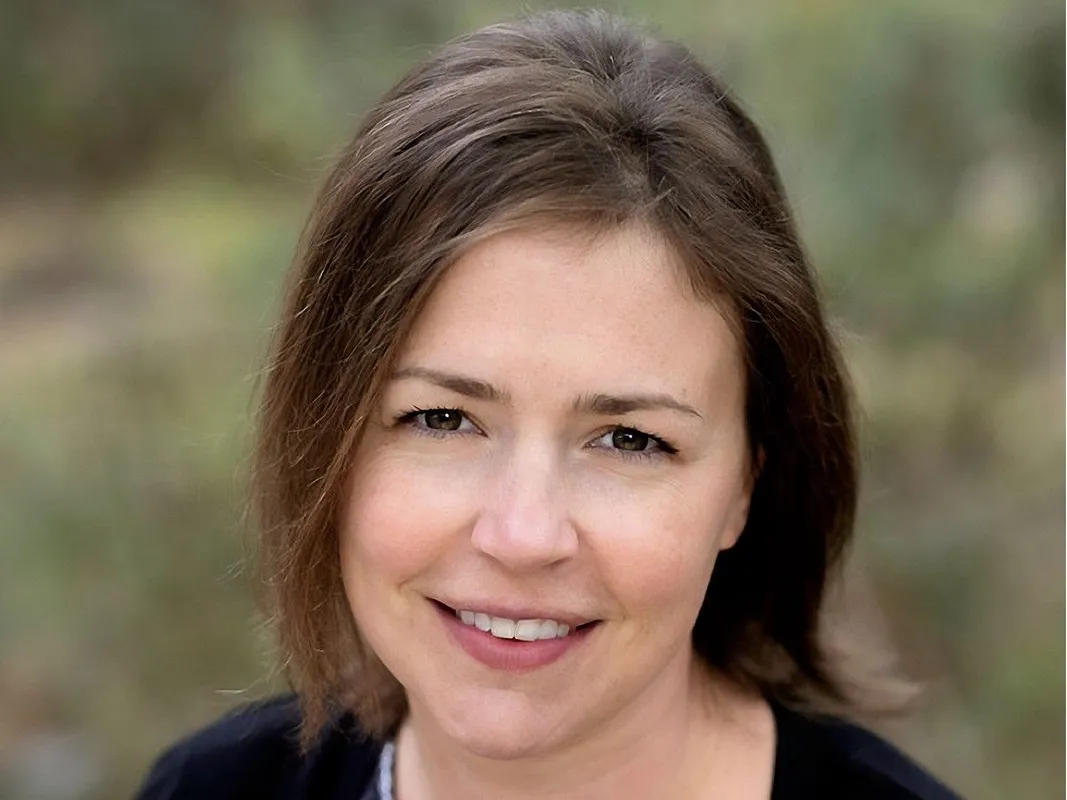

Caroline Elliott positions herself as a policy-focused leader aiming to unite British Columbia’s Conservatives as voter frustration grows with Premier David Eby’s NDP government.
Conservatives Surge in Polls
A recent Angus Reid Institute poll shows the leaderless B.C. Conservatives commanding 46 percent support among decided voters, outpacing the NDP’s 36 percent. Premier Eby’s approval rating stands at 33 percent, while nearly half of British Columbians support repealing the Declaration on the Rights of Indigenous Peoples Act (DRIPA) due to concerns over private property rights.
Elliott’s Push for Party Unity
“We have a 10-point lead right now in the polls. The best way to blow that is to divide ourselves,” Elliott states. “A divided party is the biggest gift we can hand the NDP.”
She urges the party to move forward united. “We need to go into this next election together, as one party. Don’t look in the rear-view mirror. It’s not who you voted for in the past or how you aligned federally. It’s about pulling together now,” she adds.
Elliott addresses key issues in straightforward terms: “You can’t just spend like crazy and not expect a big bill with interest — which is what we’re seeing fiscally. You can’t hand out free drugs all day and expect people to get well. You can’t release violent re-offenders into neighbourhoods and not expect problems.”
Uniting social conservatives, free-enterprisers, and grassroots activists remains essential, drawing from examples like Alberta’s 2017 merger of Progressive Conservatives and Wildrose parties into the United Conservatives.
Experience and Background
Critics note Elliott’s lack of elected office, but she counters: “If elected experience was the answer, John Rustad would be premier and David Eby would be a great premier. What we need is something fresh and different.”
Her credentials include a decade as a political staffer in Gordon Campbell’s government, policy work on the Site C dam at B.C. Hydro, a PhD in political science on Indigenous self-governance versus liberal-democratic standards, and public advocacy for property rights. She served as B.C. United vice-president before the 2024 realignment where the party stood down to endorse Conservatives.
Her campaign attracts top talent, including Ontario strategist Kory Teneycke, alongside primarily local British Columbians. “I’m interested in winning. We have to stop being parochial and start asking who can actually defeat the NDP and rebuild this province,” Elliott says.
Key Issues: DRIPA and Economic Challenges
DRIPA dominates discussions, with Elliott calling for its full repeal. “We’re seeing the NDP go from defending it, to amending it, to suspending it, to doing nothing. The economic costs pile up every day.”
The Business Council of B.C. reports that 74 percent of member companies are reducing investment plans due to uncertainty. Elliott warns, “This is terrifying as a British Columbian. Threatening collective resistance every time things don’t go your way is not how we resolve disputes in a democracy. The province is being held hostage.”
She advocates pressing Ottawa for support, appealing the Cowichan court decision on Aboriginal title over private land, and rescinding litigation directives limiting arguments on title extinguishment. Elliott also pushes to shrink government and cut red tape.
Leadership Race Timeline
Two years ago, John Rustad’s Conservatives rose from zero to 44 seats, nearly toppling the NDP. A caucus revolt in December 2025 ousted him, sparking this leadership contest. Ballots went out on May 9, with results expected on May 30.
“Not all the leadership candidates are equally able to [unite the party],” Elliott asserts. “Politics is a game of addition, not subtraction.” She emphasizes political will: “All of it is going to be hard. But it’s not a question of whether we should do it. We have to.”
Elliott presents herself as the pragmatic unifier ready to deliver change ahead of the 2028 election, amid the NDP’s slim majority vulnerable to by-elections or confidence votes.

