




Iran vows a “heavy assault” on U.S. assets in the Middle East should further attacks target its ships, while President Donald Trump anticipates a swift response from Tehran on a ceasefire proposal.
Diplomatic Standoff Continues
President Trump informs reporters that Washington awaits Tehran’s reply to end the conflict. “I’m getting a letter supposedly tonight,” he states. “So we’ll see how that goes.” Secretary of State Marco Rubio notes Washington expects a decision within hours on the proposal, which aims to halt fighting before addressing Iran’s nuclear program.
Qatar’s prime minister convenes with Steve Witkoff and Secretary Rubio. A State Department spokesperson confirms discussions on U.S. support for Qatar’s defense and coordination to deter threats across the Middle East.
Military Escalations Persist
The U.S. Navy targets two Iranian-flagged oil tankers on Friday for violating the blockade, following an exchange of fire between U.S. and Iranian forces overnight Thursday. Iran accuses the U.S. of breaching the ceasefire, which Trump maintains holds.
Iran’s foreign minister Abbas Araghchi posts on X, charging the U.S. with pursuing a “reckless military adventure” whenever diplomacy emerges. The Revolutionary Guards threaten retaliation: “Any attack on Iranian tankers and commercial vessels will result in a heavy attack on one of the American centers in the region and enemy ships.”
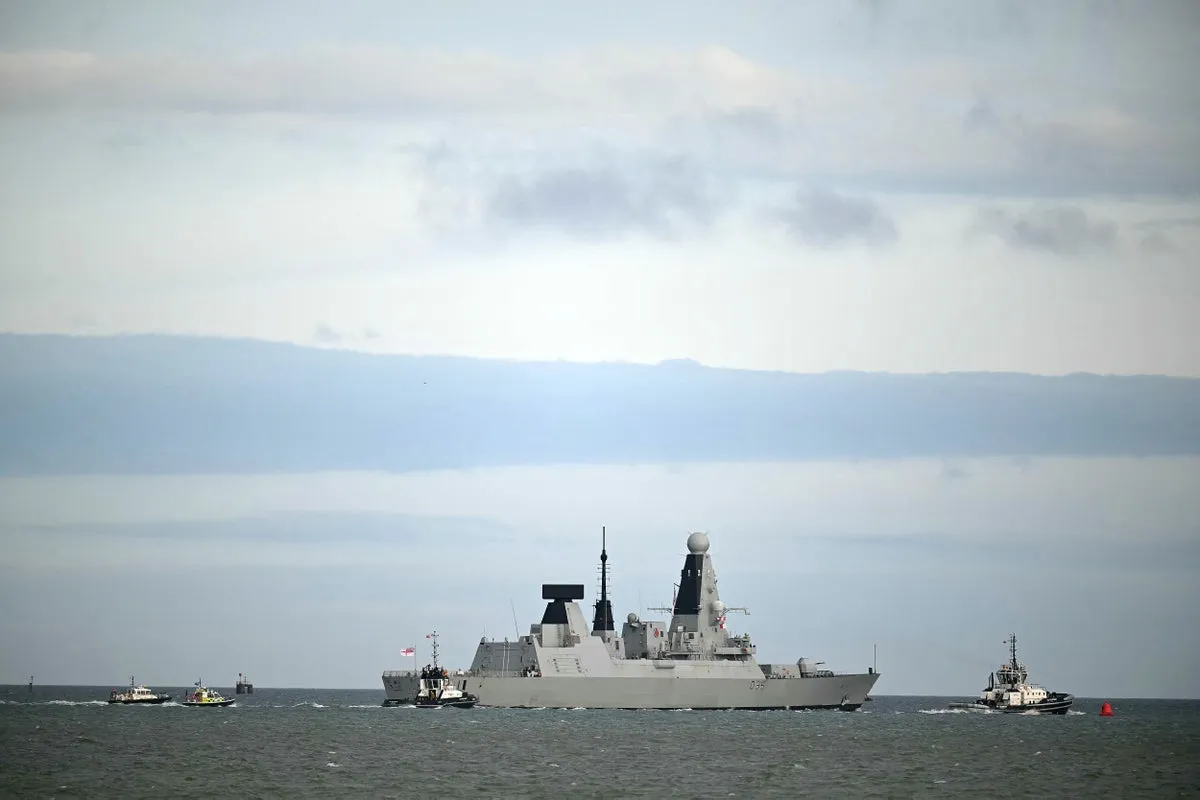
The UK repositions HMS Dragon to the Middle East for a potential UK-French-led mission to protect Strait of Hormuz shipping, pre-positioning once Iran-U.S.-Israeli hostilities cease.
Israeli Strikes in Lebanon Claim 39 Lives
Lebanon’s health ministry reports 39 deaths from intense Israeli airstrikes Saturday. Three drone strikes south of Beirut kill four, while southern Lebanon airstrikes claim at least 13, including a man and his 12-year-old daughter.
These incidents escalate since the Israel-Hezbollah ceasefire on April 17, with both sides sustaining daily attacks. Strikes hit a Beirut-Sidon highway, wounding several, and a road to the Chouf region, killing three.
Economic Pressures Mount
U.S. intelligence assesses Iran can endure the blockade for three to four more months, retaining ample missile stocks, challenging claims of imminent collapse. CIA analysis indicates resilience against economic strain into later this year.
President Masoud Pezeshkian urges citizens to curb electricity and gas use amid blockade disruptions. “In the current situation, we must prevent pressure on the country’s energy grid through public participation and consumption management,” he declares.
Regional Developments and Calm
Israel establishes a secret military outpost in Iraq’s desert as a logistics hub for airstrikes against Iran, with U.S. knowledge. Special forces and search-and-rescue teams operate there; airstrikes deter Iraqi troops after a shepherd’s tip-off.
President Trump resumes Truth Social activity after a seven-hour pause, posting AI-generated images of Iranian drones downed by U.S. forces—”dropping like butterflies” and “Bye Bye, Drones”—plus critiques of predecessors Biden and Obama, contrasting destroyed Iranian fleets under his leadership.
Relative calm returns to the Strait of Hormuz Saturday as talks loom. A Qatari LNG tanker heads to Pakistan, approved by Iran to foster confidence with mediators. Trump prepares a China visit amid pressure to resolve the war disrupting energy markets and global economy.

