





Suburban Development Model Proposed to Tackle Housing Shortage
Urban policy experts are urging London authorities to adopt suburban development strategies similar to those implemented in Croydon to address the capital’s housing crisis. New analysis suggests this approach could enable construction of 5,700 additional homes annually while maintaining neighborhood character.
The Croydon Housing Experiment
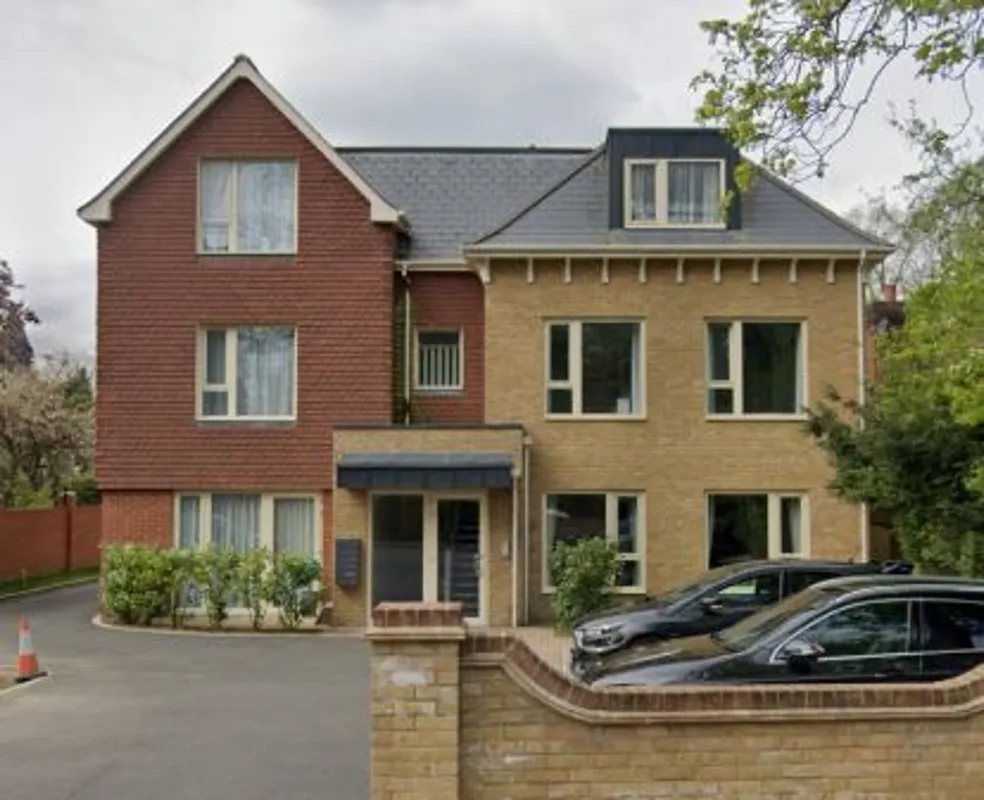
Between 2019 and 2022, Croydon Council implemented a Suburban Design Guide that facilitated construction of small apartment blocks on plots previously occupied by single detached homes. This policy resulted in a doubling of small-site housing development compared to the previous five-year period.
One notable project converted a large suburban property into six flats designed to resemble a traditional detached house, with three additional terrace homes discreetly positioned behind the main structure. Most developments followed traditional architectural styles, though some incorporated modern designs including an eight-unit conversion.
London-Wide Potential
Research indicates that extending Croydon’s approach across the capital could increase annual small-site housing production from 4,500 to 10,200 units. This would require redeveloping approximately 1,000 of the 525,000 suitable sites in outer London boroughs annually – representing less than 0.2% of available plots each year.
Andrew Carter, Chief Executive of Centre for Cities, emphasized: “Current housing production fails to meet London’s economic needs. Evidence from Croydon demonstrates that rules-based planning reforms can effectively boost supply.”
Policy Recommendations
The proposed framework includes:
Local Authority Actions
– Borough-level implementation of suburban design guidelines
– Adoption of ized development rules rather than case-by-case approvals
Metropolitan Planning
– Establishment of small-site construction targets for all boroughs
– Incorporation of suburban densification policies in the next London Plan
National Policy Changes
– Development of ized urban densification rules
– Application of Croydon’s lessons in evaluating local housing plans
Political Challenges and Compromises
City Hall officials acknowledge significant hurdles in addressing what they describe as a “perfect storm” of construction challenges. Rising material costs, elevated interest rates, and lingering Brexit and pandemic impacts have collectively slowed housing development across the capital.
Recent data shows a 30% decline in new housing starts across London. In response, officials have approved temporary reductions in affordable housing requirements for certain developments to stimulate construction activity.
While some critics argue planning policies have exacerbated the crisis, others maintain that current challenges represent the most severe housing shortage since World War II. Policy makers continue to seek balanced solutions between development needs and community preservation.

