




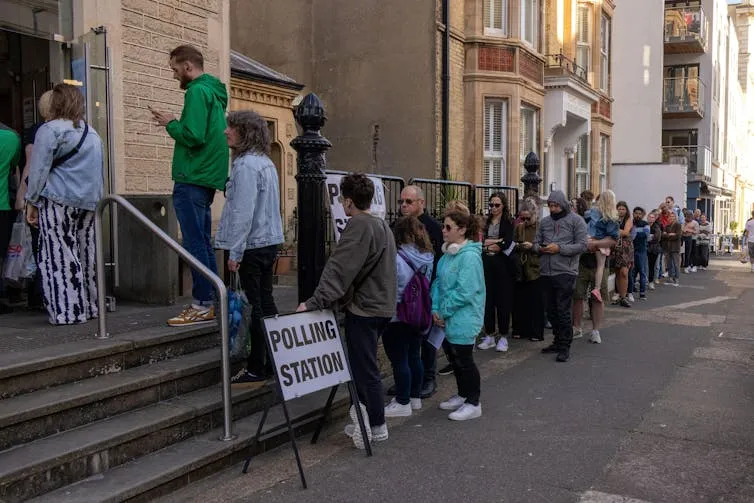

The UK government introduces legislation to lower the voting age to 16 for general elections, fulfilling a long-standing Labour commitment from 2010.
Restoring Trust in Democracy
Government officials aim to boost faith in politics and democracy, which surveys show at historic lows. Recent events have challenged Prime Minister Keir Starmer’s pledge to rebuild public trust. This bill presents a chance to revitalize electoral reforms amid widespread calls for change.
Parliamentary Challenges Ahead
The three-decade push for votes at 16 faces rough waters in Parliament. Labour’s backing remains inconsistent, driven by mixed public views and internal debates. Polls reveal steady public resistance, while young people split evenly—many feel unready for voting responsibilities.
Divisions within Labour intensify questions about prioritizing electoral reform. Opposition strength will shape the bill’s path and public reception. Conservatives and Reform UK firmly reject the change. Conservatives argue Labour wavers on treating 16-year-olds as adults, insisting maturity and enfranchisement align at 18.
Arguments on Maturity and Inconsistencies
Critics risk alienating youth by deeming 16- and 17-year-olds immature. Advocates highlight that voting rights persist for those with disabilities or age-related cognitive decline. Conservatives previously enabled Scotland and Wales to lower the age and permitted under-18s to influence prime minister selections through party votes.
Reform UK’s stance shows contradictions too. Polling shows rising support among young men, surpassing older groups. A strategic shift could ease opposition.
Likely Passage but Limited Impact?
Labour’s large majority likely ensures passage. Framing success around registration and turnout numbers emphasizes quantity over quality. Scotland’s experience reveals modest turnout gains among 16-17-year-olds versus 18-24s, with no boost in party membership, unions, or community involvement.
Party politics and youth representation remain unchanged there. Most youth doubt politicians prioritize them, fueling democratic disillusionment. Votes at 16 alone won’t fix youth disengagement or fortify UK democracy.
Broader Reforms Needed
The bill includes youth civic education and easier registration. Yet these fall short without parties addressing their role in the crisis. Leaders must transcend debates to enhance system responsiveness for young voters and the public.

