




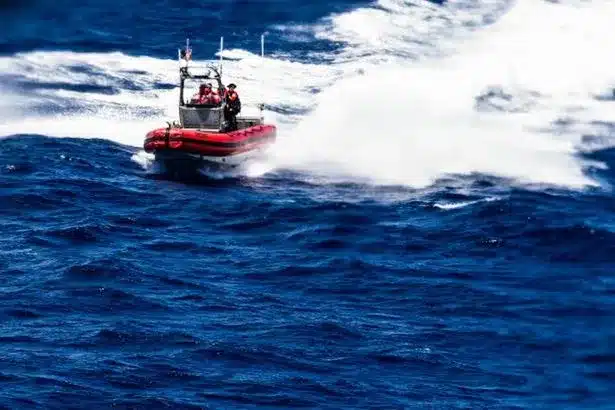

A high-speed confrontation off Cuba’s coast leaves four dead and six injured, escalating longstanding tensions between the United States and Cuba. The incident unfolded one nautical mile from Cuban waters when border guard vessels approached an American-registered speedboat for identification.
Cuban Border Guard’s Account
Cuban Ministry of the Interior officials report that the speedboat crew opened fire first on the approaching border guard boat, injuring the Cuban vessel’s commander. Border guards returned fire, resulting in four fatalities and six injuries aboard the foreign vessel. Medical teams evacuated and treated the wounded.
The ministry emphasizes Cuba’s sovereign right to defend its territorial waters amid ongoing challenges. Authorities plan a full investigation to establish the facts.
US Lawmakers React Strongly
Republican Congressman Carlos Gimenez accuses Cuban forces of murdering Americans from a Florida-registered boat. “The dictatorship in Cuba has just attacked a boat from Florida and murdered those on board,” Gimenez states. He calls for the regime’s end, saying it “must be relegated to the dustbin of history.”
Gimenez also criticizes Jamaica’s Prime Minister Andrew Holness for urging “responsible leadership and constructive dialogue” between the US and Cuba to ease tensions. The congressman labels it a “cover-up for the moribund dictatorship in Cuba” and warns, “Jamaica will face the consequences!”
US Secretary of State Marco Rubio, speaking from an airport in St. Kitts and Nevis after regional visits, confirms US agencies are collecting intelligence. “We have various different elements of the US government that are trying to identify elements of the story that may not be provided to us now,” Rubio says.
Worsening US-Cuba Tensions
The clash intensifies friction fueled by a US fuel blockade on Cuba. Punitive tariffs target nations trading oil with the island, exacerbating its energy crisis. Cuba relies heavily on imports from Venezuela and Mexico, and the restrictions have deepened blackouts, food shortages, and water disruptions.
Hospitals face severe strain, ambulances struggle with fuel shortages, and the government nears collapse. Aviation halts as authorities refuse to refuel foreign aircraft, prompting cancellations by Canadian airlines like Air Canada and Russian carriers Rossiya and Nordwind. Tourism suffers immediate impacts.
Recent record lows of 0°C on February 3 triggered widespread blackouts, affecting 3.3 million in eastern provinces including Guantánamo, Santiago de Cuba, Holguín, and Granma, with Havana also impacted.
US naval patrols in the North Atlantic block oil shipments, marking the first effective blockade since the Cuban Missile Crisis. Analysis of shipping data and satellite images reveals Cuban tankers rarely depart. President Trump warns Cuba to “make a deal before it’s too late” and endorses a social media post suggesting Rubio as future Cuban president, commenting, “Sounds good to me!”
United Nations Human Rights Office data highlights the blockade’s toll, pushing Cuba toward potential regime change by year’s end.

