




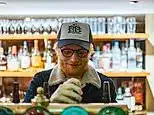

Ed Sheeran’s upscale Notting Hill restaurant, Bertie Blossoms, grapples with mounting financial pressures amid Britain’s ongoing pub crisis, revealing net current liabilities of nearly £1.3 million as of December 2024.
Financial Struggles Post-Covid
Opened in September 2019 on Portobello Road in West London, Bertie Blossoms has yet to achieve profitability. Recent accounts show a decline of £763,000 in the company’s position since December 2021. The business, operated through Dive Bar Portobello, reduced its staff to five employees, down from six the prior year and ten in 2020.
During the 2020 Covid-19 shutdowns, the restaurant temporarily closed, but Sheeran personally covered wages for his ten staff members instead of furloughing them. In 2021, the venue offered 50 percent discounts on white wine to boost takeaway orders.
Customer Feedback and Menu Offerings
The eatery attracts celebrity patrons such as Peter Crouch and Abbey Clancy. Named in honor of Sheeran’s wife, Cherry Seaborn, it features a rotating menu with items like steak, pasta dishes, and chocolate prune brownies, priced around £19. The menu typically lists just nine options, emphasizing freshly prepared food.
However, some diners expressed dissatisfaction. In 2023, complaints surfaced over portion quality. One TripAdvisor reviewer stated: “What a disappointment, the food options were limited. Which wouldn’t have been a problem if the quality wasn’t so poor.” They added: “You could see through to the kitchen. Which looked more like a roadside catering van. Food tasted similar. Everything was manufactured and if it couldn’t be deep fried it was over-boiled or fried. Looked like a good clean wouldn’t hurt either. Expensive for what tasted like a second-rate microwave meal.”
Broader UK Pub Crisis
Pubs across the UK face ongoing challenges post-pandemic, with closures averaging two per day. The British Beer and Pub Association notes a drop from 69,000 pubs in 1980 to 46,350 in 2021. The Campaign for Real Ale reports about 1,000 closures in 2025, or five daily, though some find new owners.
Industry groups highlight rising costs from business rates, duty hikes, wage increases, taxes, and new waste regulations. UKHospitality estimates an additional £1 billion in national insurance costs last year following recent budget changes.
Government and Political Responses
Last month, the Chancellor introduced a £100 million relief package for landlords, including 15 percent reductions on business rates next year, frozen for two subsequent years, and extended opening hours. Despite this, Labour MPs imposed a pub ban after Covid-era support ended.
Reform UK proposes reducing VAT to 10 percent for hospitality, scrapping employer national insurance increases, cutting beer duty by 10 percent, and phasing out business rates for pubs over four years. The plan, targeting those most in need, would be funded by reinstating the two-child benefit limit on Universal Credit for non-working British families, saving around £3 billion by 2029/30.
Reform MP Lee Anderson criticized major parties, stating: “The loss of one pub is not just the loss of livelihood for a landlord, or the loss of a local employment hub. The loss of one pub is a loss to all of us as inheritors of a tradition dating back to Roman rule. Yet the Conservatives, and now Labour, have facilitated the closure of thousands of pubs over the last decade. Any contrition they show is false. The crisis facing the Great British pub has been allowed to become acute, and our nation is poorer for it.”

