




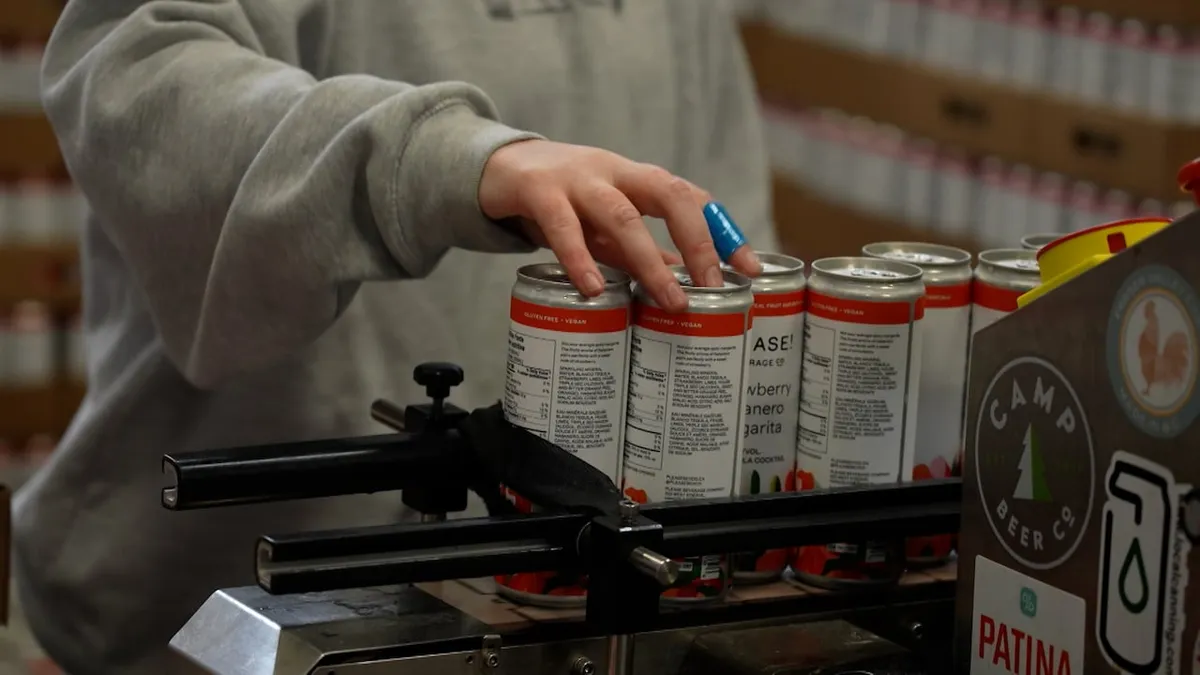

The British Columbia government has broadened rules enabling local alcoholic beverage manufacturers to ship products directly to wholesale buyers such as bars and restaurants. The update, effective immediately, now includes B.C.-produced coolers, hard seltzers, and pre-mixed cocktails alongside existing categories like beer, wine, cider, and craft spirits.
Government Aims to Streamline Distribution
Agriculture Minister Lana Popham stated that the adjustment simplifies the process for these locally made items to reach retailers and eateries, aligning with flexibilities already in place for other products.
Manufacturers Praise Faster Access
Smaller producers applaud the change for reducing costs and accelerating market response. Teresa Townsley, owner of Festina Lente Estate Winery in Langley, noted, “It eliminates the middleman and the expensive overhead as far as shipping and cost and allows us to adjust to consumer preferences rapidly.”
Union Decries Threat to Jobs and Public System
The B.C. General Employees Union (BCGEU), which represents workers at the government-owned Liquor Distribution Branch, condemns the policy as a betrayal of consultation promises and a concession to privatization advocates. BCGEU president Paul Finch declared, “The minister is giving more weight to private, corporate interests than the needs of those who elected her as a representative — the working people of B.C.”
The union warns that bypassing the central warehouse for fast-growing refreshment beverages could jeopardize nearly 490 jobs. Finch emphasized, “The public liquor system exists for a reason — to serve British Columbians. It performs strongly and generates significant revenue for health care, education and other public services while ensuring accountability and province-wide access.”
Liquor Branch Reassures on Core Role
The B.C. Liquor Distribution Branch maintains that the limited expansion enhances system flexibility without privatizing distribution. It positions itself as the province’s primary distributor.
Wholesale sectors have pushed for direct access, particularly after labor disruptions during BCGEU strikes in 2022 and 2025 halted operations. Noel Steen, founder of Please! Beverage Co., described the 2025 impact: “We can’t move product directly, and all the [government-run liquor stores] are closed and the LDB is closed. So the distribution of product to the retail stores … is on hold until the resolution. So not a subtle impact, a massive impact.”

