




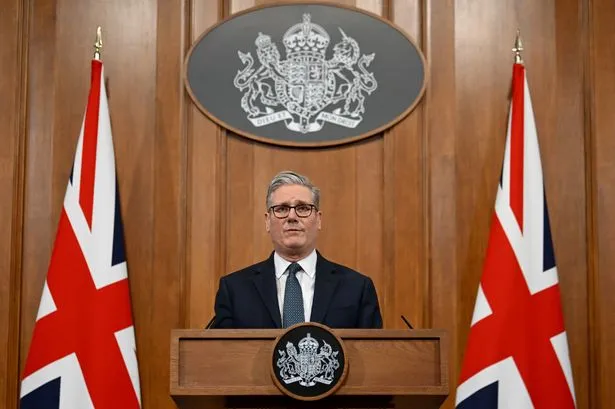

Prime Minister Keir Starmer delivered a live TV address from Downing Street, outlining measures to protect British citizens and allies amid the escalating Middle East crisis involving Iran. He emphasized sustained defensive operations, stating the conflict may persist and chaired an emergency Cobra committee meeting. Starmer acknowledged public concerns for family and friends in the region, defended the decision against offensive involvement, and distanced the UK from differing U.S. approaches.
“I want to reassure the British public about the action that we are taking while the region has been plunged into chaos,” Starmer said. “My focus is providing calm, level-headed leadership in the national interest.”
Key Announcements from the Address
1. Additional Fighter Jets and Assets Deployed
The UK deploys four extra Typhoon jets to Qatar to strengthen regional defenses. Wildcat helicopters equipped for anti-drone operations head to Cyprus, following a drone strike on RAF Akrotiri base. HMS Dragon, a Type 45 destroyer, deploys to the Mediterranean, expected next week.
Starmer affirmed: “We will maintain this shield over British people in the region and our allies.”
2. Repatriation Flights Underway
A government-chartered flight from Oman to the UK has departed after an overnight delay. Further repatriation flights launch in coming days. Over 4,000 British nationals returned from the UAE via commercial flights, with seven more scheduled today. British Airways operates daily services from Oman, as efforts accelerate the airlift’s pace and capacity.
3. Over 140,000 Brits Registered in Region
Registrations with the Foreign Office exceed 140,000, surpassing the 2021 Afghanistan evacuation scale. “I want to be very clear, this is a huge undertaking,” Starmer noted. “It’s one of the biggest operations of its kind, many times bigger than the evacuation from Afghanistan. It’s not going to happen overnight, but we will not stop until our people are safe.”
4. UK-US Special Relationship Active
Starmer confirmed ongoing collaboration with the U.S., including base deployments, joint protection at shared sites, and 24/7 intelligence sharing. The leaders last spoke Saturday. Addressing U.S. criticisms, he stated: “Look, the special relationship is in operation right now. We’re working with the Americans in the deployment from our bases. We are working together in the region… That is the special relationship.”
He respects U.S. decisions while prioritizing UK interests.
5. Clarification on Base Usage Requests
Starmer addressed speculation of internal dissent, confirming no formal U.S. request for base access occurred until Saturday afternoon. Initial National Security Council discussions on Friday aligned with his stance. Sunday’s Cabinet approved allowing Diego Garcia and RAF Fairford for strikes on Iranian missile sites after Tehran’s retaliatory attacks.
6. Unity Call Amid Community Tensions
The Prime Minister urged national solidarity, warning against division. The government engages Jewish and Muslim communities, enhancing security at worship sites. “The sad fact is that some will try to use it to divide us,” he said. “That’s why the government is reaching out to communities across the United Kingdom—Jewish and Muslim alike—making sure that communities and places of worship have appropriate protective security in place. As a nation we should come together in this moment.”
7. Safeguards Against Economic Fallout
Starmer addressed fears of rising bills from disrupted Gulf oil and gas facilities, blaming Iran for global economic pressure. The UK coordinates with industries and allies for resilience, upholding long-term strategies in economy, defense, and energy.

