




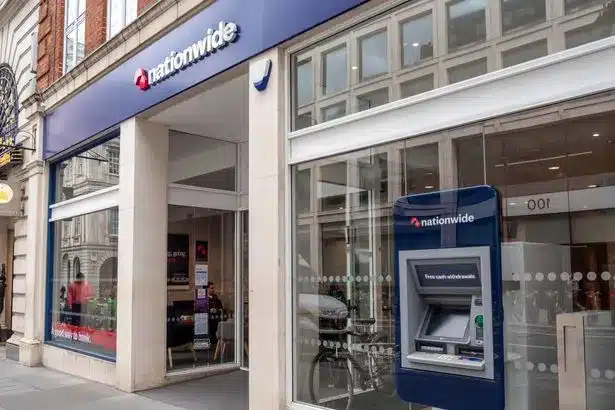

UK house prices have risen by 1% annually, with a 0.3% monthly increase, pushing the average property value to £273,176 from £270,873 the previous month, according to the latest House Price Index.
Modest Recovery Signals
The data points to a modest recovery following a dip at the end of 2025, likely due to uncertainty over potential property tax changes before the Budget. Across 2025, total housing market transactions increased by 10% compared to 2024. Improved affordability and easier credit access boosted first-time buyer activity, with mortgage completions up 18% year-on-year.
Home mover transactions with mortgages rose 15% over the past year. Buy-to-let purchases with mortgages showed gradual growth but remain subdued versus historical levels amid ongoing challenges. Cash transactions held steady from 2024 levels, accounting for 35% of deals in 2025, down from a 42% peak in 2023.
Robert Gardner, Nationwide’s chief economist, stated: “This reinforces the view of a modest recovery after a dip at the end of 2025, most likely reflecting uncertainty around potential property tax changes ahead of the Budget.”
Geopolitical Risks Threaten Stability
Experts caution that recent strikes on Iran could swiftly derail the property market recovery. Rising oil prices may fuel inflation, pushing mortgage rates higher and prompting the Bank of England to delay base rate cuts.
Babek Ismayil, CEO at homebuying platform OneDome, noted that the Middle East crisis risks reigniting inflation. He added: “Though the Budget resulted in a sluggish fourth quarter last year, the one positive amid the fiscal uncertainty was ongoing improvements in affordability. Lenders have been doing their utmost to help first-time buyers get onto the ladder and it’s starting to show with transaction levels up. Mortgage rates have also been edging down this year as lenders priced in the likelihood of further rate cuts, but clearly events in the Middle East over the weekend could prove inflationary and now delay any cuts. It’s currently a very fluid situation.”
Shaun Sturgess, director at Sturgess Mortgage Solutions, warned that surging inflation would reverse falling mortgage rates. He said: “It’s been a strong start to 2026 to date with falling mortgage rates at higher loan-to-values and lender affordability improvements oiling property transactions. But following the weekend’s events and strikes on Iran, oil has suddenly become the operative word. The recovery in the property market could be derailed quite quickly if oil prices continue to rise sharply. The Bank of England’s forecasts, suggesting inflation would be back at around target in the not-too-distant future, are now under threat, as is the prospect of rate cuts in the first half of the year. There is every chance swap, and in turn mortgage rates, could start to rise again, which could nip the growing momentum in the bud. It’s going to be a pivotal week ahead.”
Andrew Montlake, CEO at Coreco, highlighted potential delays in Bank of England rate cuts. He stated: “Prices rose slightly in February, but that could turn quite quickly after this weekend’s events in the Middle East. The impact on the UK economy could be profound. Domestically, more rate cuts this year by the Bank of England were priced in, but this now looks far less likely as oil prices are already headed north and could potentially rise sharply. There is every chance swaps will start to move up on Monday, which will be a blow to borrowers. The UK economy and property market, which so desperately needs a rate cut or two, may now have to wait longer. Expect a turbulent week ahead.”
Emma Jones, managing director at Whenthebanksaysno.co.uk, emphasized monitoring swap rates closely. She continued: “Prices rose in February, with affordability a key driver, but a lot has changed in the first two days of March. Inflation falling is no longer guaranteed if oil prices soar and that could jeopardise a rate cut by the Bank of England. Brokers will be watching how swap rates react throughout Monday and there’s every chance mortgage rates could start to rise again.”
Justin Moy, managing director at EHF Mortgages, observed shifts among first-time buyers. He added: “The House Price Index can mask a multitude of changes within the property sector, these figures don’t always paint the whole scene. First-time buyers are ignoring leasehold properties and looking to jump halfway up the property ladder, while landlords quietly pick up those flats at reduced prices.”

