



The Burial Crisis in Victorian London
The Victorian era embraced unique customs surrounding death, including post-mortem photography and Memento Mori mementos that underscored mortality. One overlooked aspect of this period involves a disused railway line designed for a grim purpose. In the early years of Queen Victoria’s reign, London faced a severe crisis. The Industrial Revolution swelled the city’s population to 2.5 million, packing residents into overcrowded, disease-prone slums where cholera outbreaks thrived. As the world’s largest metropolis, London suffered from inadequate sewage systems and clean water, leading to rampant illness and premature deaths. A child born in the 1840s could expect an average lifespan of just 36.7 years.
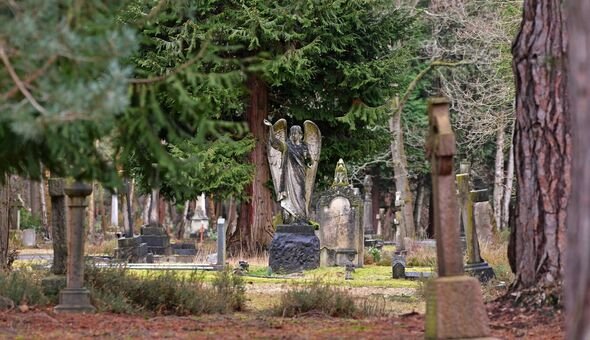
Churchyards overflowed rapidly, prompting authorities to exhume bodies for new burials. To resolve this, planners established a vast new cemetery in Brookwood, Surrey. Transporting remains by horse-drawn carriage to this remote site would take hours, necessitating a novel yet chilling innovation: the London Necropolis Railway.
Birth of the London Necropolis Railway
Engineers built the London Necropolis station adjacent to Waterloo, featuring an ornate Victorian facade. From this hub, bodies from diverse social classes embarked on a 23-mile journey to Brookwood Cemetery, nestled in Surrey’s countryside away from London’s filth. Coffins received one-way tickets, while accompanying mourners purchased return fares to return after the service.
Trains halted at Anglican and Nonconformist sections of the cemetery, based on the deceased’s faith. Individuals from all backgrounds rested there, though affluent families accessed superior arrangements compared to working-class ones.
Classes of Service on the Death Train
First-class options allowed families to choose burial plots and erect permanent monuments like gravestones. Second-class services permitted headstones or memorials for an additional fee; without them, plots could be reused. Third-class burials served paupers funded by parishes. These provided individual graves without headstones but offered more dignity than London’s overcrowded pits.
About 80% of burials by the London Necropolis Company fell into the third class, serving cost-burdened families. First- and second-class mourners used exclusive waiting rooms, with names announced as coffins loaded—a ritual absent for third-class passengers.
Operations and Expansion
As London grew, developments like the Underground, sewers, and rail lines encroached on churchyards. The Necropolis Railway relocated remains from 21 London churchyards to Surrey. Services ran daily, with Sundays drawing crowds since they were the only day off for most workers, avoiding lost wages.
The End of an Era
The line operated until 1941, when a World War II bomb destroyed the London station and tracks. By then, motorized hearses gained favor among funeral directors. Post-war reconstruction overlooked restoring the service, ending its run permanently.
Traces of the Past
At Westminster Bridge House, fragments of the station’s facade persist, though original signs are concealed. Brookwood Cemetery preserves railway tracks and plaques commemorating the 200,000 souls transported via this singular route.

