



Choosing the right cat breed involves weighing lifestyle compatibility and potential health challenges. Veterinarian Amir Anwary outlines five breeds he avoids owning, citing frequent medical issues that demand extensive care.
Persian Cats
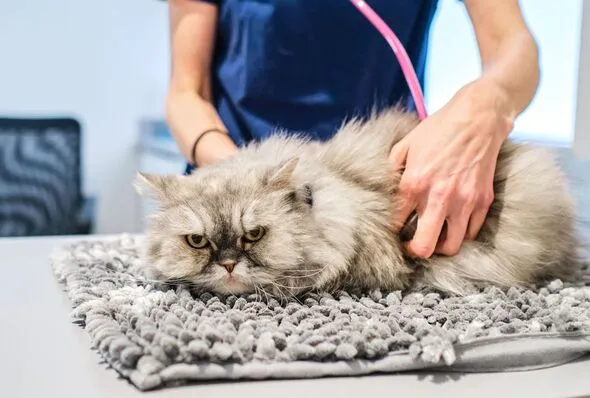
Persians feature a brachycephalic face structure that often triggers respiratory difficulties, dental problems, and eye discharge buildup. Their long coats require daily grooming to avoid matting. Additionally, they face polycystic kidney disease, where cysts form in the kidneys and may lead to organ failure over time. “It’s a very high-maintenance breed,” Anwary notes.
Bengal Cats
Despite their striking appearance and vibrant energy, Bengals suffer from conditions like cataracts and progressive retinal atrophy, risking blindness. They also contend with hypertrophic cardiomyopathy, where heart muscles thicken, causing lethargy, breathing issues, and eventual heart failure. “They have several health issues,” Anwary explains.
Exotic Shorthair Cats
This short-haired variant of the Persian inherits most health woes, including brachycephalic traits leading to dental, respiratory, and eye problems, plus polycystic kidney disease and potential heart conditions. The shorter coat eliminates grooming demands but not the other risks.
Ragdoll Cats
Ragdolls boast exceptional temperaments and beauty, yet they are prone to polycystic kidney disease, hypertrophic cardiomyopathy, bladder issues, and obesity. “Your vet bill is going to be huge,” Anwary warns, emphasizing the breed’s costly medical needs.
Scottish Fold Cats
The signature folded ears stem from a genetic mutation causing cartilage deficiency, which impacts all joints and leads to osteochondrodysplasia, arthritis, and chronic pain. As a dominant gene, it affects even cats without folded ears. Anwary argues, “From an ethical standpoint, this is the cat breed that should not be bred anymore.”
Prospective cat owners should prioritize breeds with fewer hereditary health risks to ensure a happier, healthier companionship.

