




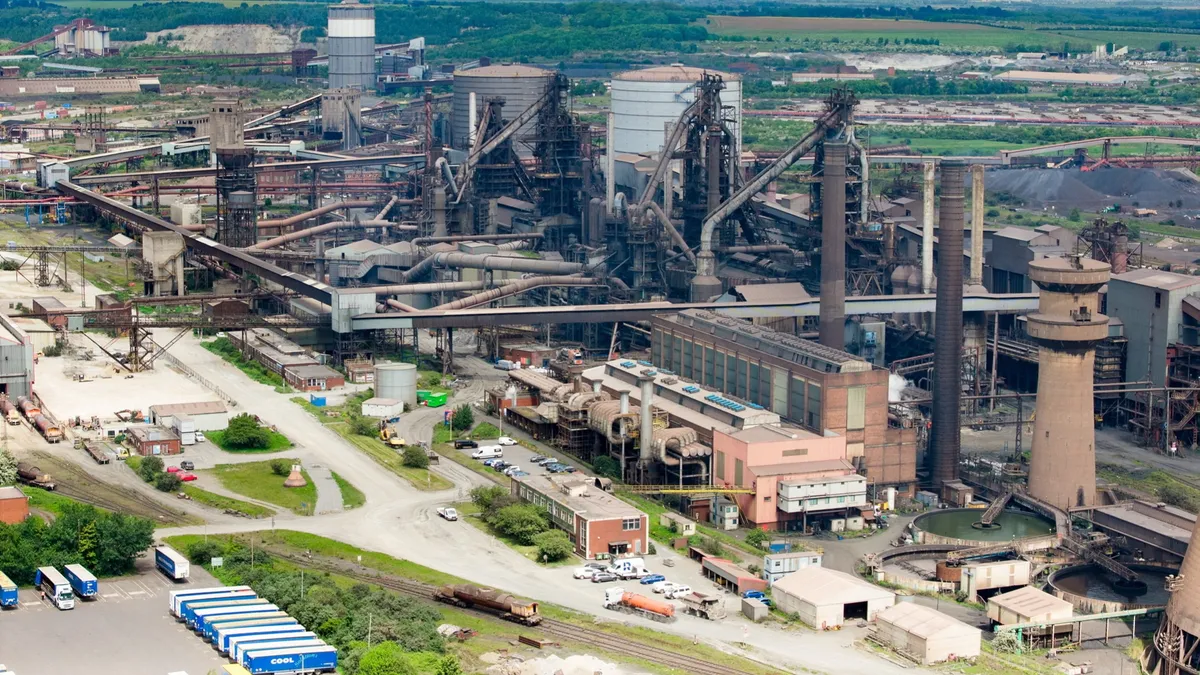

UK manufacturers have raised alarms over impending steel tariff changes set to reshape the import landscape and drive up costs across key sectors.
Government Rolls Out New Steel Protections
The UK government unveiled a fresh steel strategy that slashes import quotas by 60 percent starting July 1, 2026, while imposing 50 percent tariffs on any excess volumes. These measures aim to shield domestic steel production from global overcapacity and unfair foreign subsidies, ensuring supplies for critical infrastructure and national security.
Steel producers have welcomed the policy as vital support amid high energy costs and competitive pressures.
Downstream Industries Voice Strong Objections
However, metalforming, fabrication, and construction groups warn the changes will create significant problems. Chris Houston, managing director at Yorkshire-based steelwork firm Tadweld, stated that the tariffs would make the UK one of the world’s most expensive places to source steel, pushing costs downstream to construction and fabrication industries.
“Instead of addressing the uneven playing field for UK steel producers, this approach burdens everyone else,” Houston said.
Supply Chain Disruptions and Job Threats Loom
Stephen Morley, president of the Confederation of British Metalforming, highlighted risks to automotive, construction, infrastructure, and engineering supply chains. In a letter to Trade Minister Chris Bryant, Morley cautioned that the protections could fuel inflation and threaten thousands of manufacturing jobs.
Jonathan Clemens, chief executive of the British Constructional Steelwork Association, added that higher costs would undermine domestic supply chains, drive fabrication work overseas, and inflate prices for government-commissioned projects like bridges and buildings.
“This strategy makes essential products more expensive for businesses that turn steel into infrastructure,” Clemens noted.
Wider Economic Implications
Critics predict factory closures, reduced demand for UK steel, and eroded international competitiveness. Small businesses in metal processing report early signs of price hikes, urging a review of loopholes and procurement strategies.
The policy replaces expiring safeguards and responds to industry calls for medium-term solutions like better scrap access, though downstream sectors fear long-term damage outweighs benefits for primary producers.

