





High Vehicle Taxes Driving Owners to Scrap Older Models
Motorists across the UK are opting to scrap their older vehicles rather than face steep increases in vehicle excise duty (VED), leading to hundreds of thousands of cars being taken off the roads. A £735 annual tax burden is pushing owners away from maintaining these vehicles, especially as many refuse to upgrade to newer electric models due to exorbitant first-year charges that can reach £5,490 based on emissions.
Environmental considerations play a role, with some arguing that retaining an older car reduces overall emissions compared to producing a new one. Analysis indicates that manufacturing a medium-sized new car can generate over 17 tonnes of CO2 equivalent—roughly equivalent to three years of typical household gas and electricity use. Experts Mike Berners-Lee and Duncan Clark emphasize: “Unless you drive very high mileage or own a real gas-guzzler, it generally makes sense to keep your old car for as long as it is reliable—and to look after it carefully to extend its life as long as possible. If you make a car last to 200,000 miles rather than 100,000, then the emissions for each mile the car does in its lifetime may drop by as much as 50%, as a result of getting more distance out of the initial manufacturing emissions.”
Affected Tax Bands and Upcoming Increases
Vehicles emitting more than 225g of CO2 per kilometer face the highest VED rates. Current charges include £430 for 201-225g/km, £735 for 226-255g/km, and £750 for over 255g/km. These rates are set to rise in April 2026 to £445, £760, and £790 respectively, making ownership even more costly.
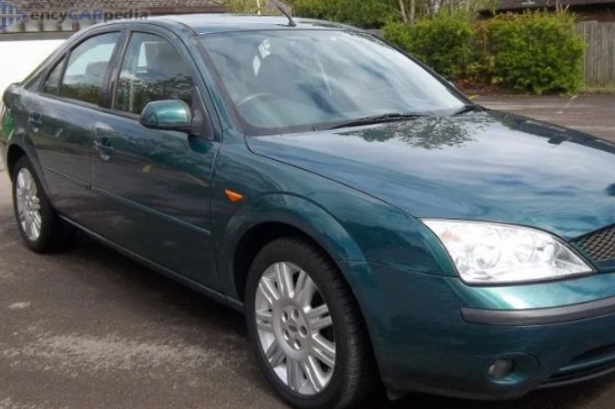
This tax structure impacts not only luxury SUVs but also everyday family cars like Ford Mondeos, Volkswagen Golfs, and Vauxhall Zafiras. Owners report that the annual tax often exceeds the vehicle’s market value, rendering these models nearly worthless and prompting scrapping or export to markets where buyers seek affordable classics.
Popular Models Trapped in the VED System
Here are 10 common models affected, along with their current annual road tax rates:
- Saab 900 Convertible: £735
- Land Rover Freelander 2 i6: £760
- Audi TT 1.8T: £735
- Ford Galaxy 2.3: £735
- Jaguar X-Type 2.0-litre Auto: £735
- Subaru Forester 2.5 XT: £735
- Volkswagen Golf R32: £760
- Chrysler PT Cruiser: £735
- Vauxhall Zafira VXR: £735
- Ford Mondeo V6: £735
Updated Tax Rates for 2001-2017 Vehicles
For cars registered between March 1, 2001, and April 1, 2017, the 2026-2027 VED bands will adjust as follows:
- Up to 100g/km: £20 (unchanged)
- 101-110g/km: £20 (unchanged)
- 111-120g/km: £35 (unchanged)
- 121-130g/km: £170 (up from £165)
- 131-140g/km: £200 (up from £195)
- 141-150g/km: £225 (up from £215)
- 151-165g/km: £275 (up from £265)
- 166-175g/km: £325 (up from £315)
- 176-185g/km: £360 (up from £345)
- 186-200g/km: £410 (up from £395)
- 201-225g/km: £445 (up from £430)
- 226-255g/km: £760 (up from £735)
- Over 255g/km: £790 (up from £750)
Pre-2001 Vehicles and Dealer Insights
Most vehicles registered before 2001 are taxed based on engine size: £229 annually for those under 1,549cc, and £360 for larger engines, regardless of make. Cars from March 2001 to March 2006 have a cap at the current Band K rate of £430.
Wayne Lamport, owner of Stone Cold Classics in Kent specializing in vehicles from this era, notes the challenges: “We have to be very careful when we buy stock which is 2006 or more recent. Cars such as a Jaguar X-Type are great, but who wants to pay more than £700 for the annual tax? It doesn’t take many years of ownership to spend the value of the car. One example is the Chrysler PT Cruiser. A lot of people love them and think it will be a novelty, but they go off the idea when they realise the annual cost of taxing it. A lot of these cars are virtually unsellable.”
Even practical choices like all-wheel-drive models such as the Land Rover Freelander or Subaru Forester can incur over £800 in yearly taxes, deterring buyers seeking affordability over larger 4x4s.

