



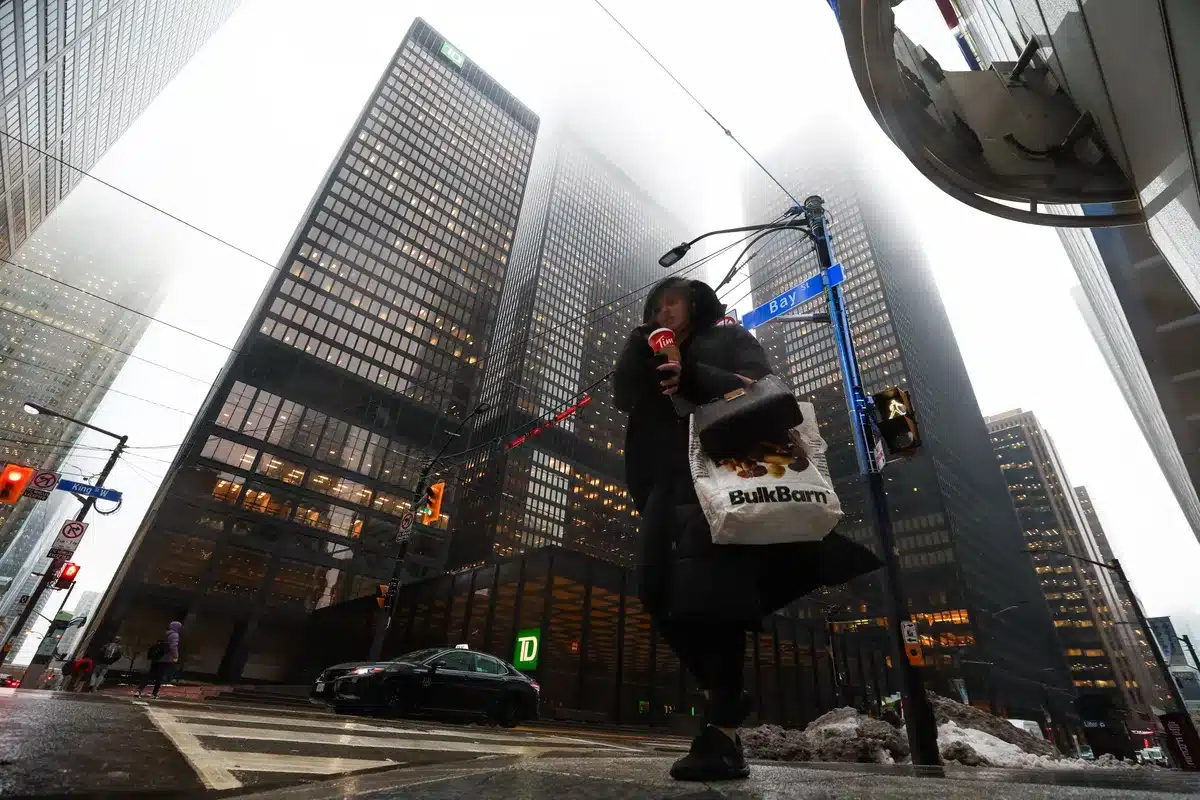

Investors take note of this market pattern: When U.S. exchanges close for holidays, the Toronto Stock Exchange often enters a quiet phase. On days like U.S. Thanksgiving, Memorial Day, and Martin Luther King Jr. Day, Canadian traders continue, but activity noticeably slows.
Declining Movements in TSX Benchmark
Historical trading data reveals a clear trend toward subdued performance in the S&P/TSX Composite Index during these U.S. closures. In the 1980s, typical daily movements reached nearly 91% of levels seen when U.S. markets operated. This ratio dropped to 65.5% in the 2010s and further to 54.1% in the first half of this decade.
Trading Volumes Hit Hard
The slowdown affects volumes as well. Data from BMO Capital Markets shows that between 2014 and 2024, trading volumes on U.S. Thanksgiving Thursdays averaged 58% below the monthly norm.
Expert Analysis on Global Linkages
Globalization and financial integration drive this synchronicity, particularly between North American markets. Bing Han, a finance professor at the University of Toronto’s Rotman School of Management, notes, “Some studies argue that the U.S. market is a more important driver of other countries’ stock returns than local factors.” He adds, “When the U.S. market is closed, there’s little news flow and no price discovery, so Canadian markets can drift aimlessly during such periods.”
Portfolio managers echo this shift. Alexander MacDonald, a portfolio manager at Focus Wealth Management, explains, “Canadian money managers are now much more heavily invested in the U.S. than they used to be, so when the U.S. markets are closed, a lot of money managers are also using it as a vacation day.”
A Silver Lining for TSX Traders
Despite lower activity, positive outcomes emerge. Since the 1980s, the TSX closes higher more than 72% of the time on U.S. closure days, compared to 54% when the S&P 500 trades. Average gains stand at a modest 0.25%.

