




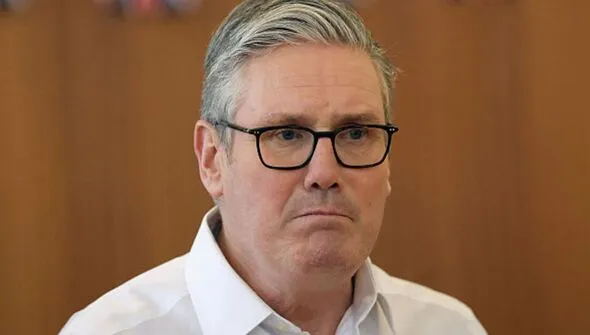

Prime Minister Keir Starmer has reversed plans to delay local government elections scheduled for May, marking another policy shift. This decision follows similar changes on winter fuel payment reductions, disability benefit cuts, and inheritance tax increases for farmers.
Reform UK’s Legal Challenge Pays Off
Reform UK, led by Nigel Farage, spearheaded a legal challenge against the proposed delay. Party leaders anticipate significant gains in the upcoming elections, capitalizing on current momentum.
The reversal also addresses speculation about postponing the general election, due by 2029 at the latest.
Polling Strength and By-Election Hurdles
Reform UK maintains strong positions in recent polls. However, the party faces competition in the Gorton and Denton by-election, where Labour expects a substantial loss. Former Reform MP Rupert Lowe, now an independent, launches Restore Britain, potentially drawing votes alongside Ben Habib’s Advance UK, particularly in competitive marginal seats.
Despite these efforts, Advance UK struggles for national visibility. Restore Britain benefits from Lowe’s parliamentary seat and online presence, yet historical right-wing movements like UKIP, the Brexit Party, and Reform UK share a central figure: Nigel Farage.
Shifting Political Dynamics
Starmer’s latest adjustment highlights perceptions of indecision amid evolving voter priorities. Reform UK positions itself as a strong alternative, appealing to working-class voters without viewing them through divisive lenses.
Labour’s strategy echoes past approaches, focusing on pragmatic policies. The May elections could shape the political landscape further, testing both parties’ strategies.

