




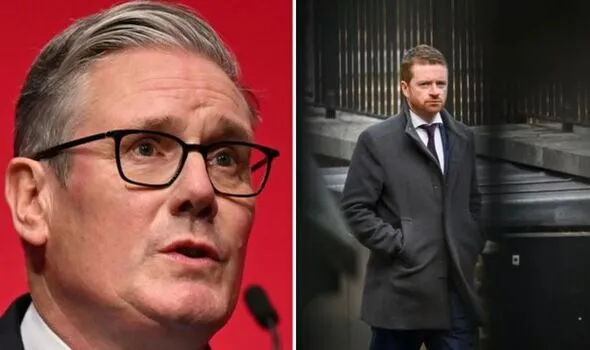

Pressure intensifies on Prime Minister Sir Keir Starmer following the abrupt departure of his chief aide, Morgan McSweeney. Labour Party members voice growing concerns over a scandal linking senior figure Lord Mandelson to Jeffrey Epstein, with indications that Starmer overlooked the association despite awareness.
The Mandelson-Epstein Controversy
The controversy erupts from Mandelson’s past ties to Epstein, drawing sharp criticism for undermining standards in public office. Observers highlight that basic ethical judgment remains essential for leadership roles, fueling demands for accountability.
Rising Tensions Among Labour MPs
Backbench MPs sharpen their rhetoric, openly questioning Starmer’s viability. Figures such as David Lammy and Angela Rayner, alongside other party members, publicly challenge the Prime Minister’s direction. Public trust in Starmer plummets, exposing perceived weaknesses in political strategy and decision-making.
Upcoming Electoral Tests
A by-election looms in Manchester within weeks, followed by council elections. These contests serve as key indicators of Starmer’s public standing, prompting MPs to prioritize their political survival amid the turmoil.
Prospects for Labour Leadership
Speculation mounts over Starmer’s tenure, with MPs weighing whether he steps down voluntarily or faces ouster. Potential successors draw mixed reviews:
- David Lammy faces scrutiny over foreign policy expertise and gravitas.
- Angela Rayner contends with unresolved tax matters.
- Wes Streeting grapples with prior associations to Mandelson.
The Labour frontbench struggles to project strong leadership alternatives.
Risks of an Early Election
A snap general election threatens economic uncertainty, market volatility, and diplomatic hesitancy toward the UK. Outcomes could yield a hung parliament, coalition negotiations, or gains for Reform UK—criticized for robust rhetoric but limited policy depth. Britain navigates precarious times, with stability hanging in the balance.

