





As winter brings freezing temperatures across the UK, many households worry about rising energy costs. Recent research from the UK’s largest energy project, Energy House 2.0 at the University of Salford, reveals effective strategies to warm homes efficiently without extra spending. The 18-month study tested various heating systems and identified key methods to minimize costs while maintaining comfort.
Consumer Concerns Amid Cold Weather
Nine out of ten people express anxiety over affording winter energy bills, with two-thirds of families limiting heating to single rooms. This push for savings highlights the need for practical, research-backed solutions to combat high costs during harsh weather.
Reducing Boiler Flow Temperature for Instant Savings
The study pinpointed lowering boiler flow temperature as the most impactful free method to cut energy use. Boilers typically run at 70°C to 80°C, but dropping this to 60°C reduces gas consumption by 12% for heating. Combi-boilers perform well at this lower setting, providing steady warmth.
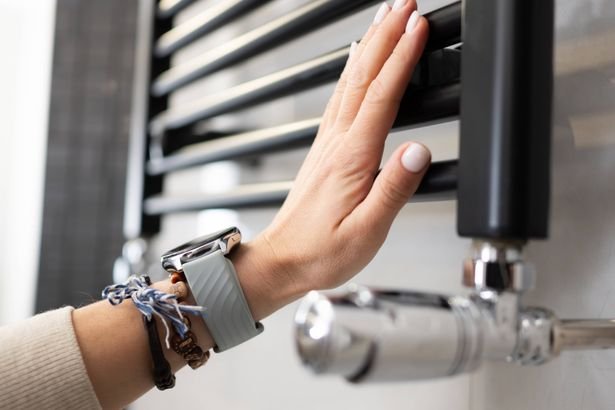
While radiators may feel less hot and rooms take slightly longer to heat, well-insulated homes show minimal difference, leading to noticeable bill reductions. To adjust, locate the radiator symbol on combi-boilers and lower the setting, or refer to the manual for guidance.
Importance of Regular Boiler Servicing
Annual boiler servicing ensures safety and efficiency, ideally scheduled in summer to avoid peak winter demand. A standard service costs around £90 and includes checks on internal components, filters, flues, corrosion, and leaks. Engineers can also optimize settings during visits.
Even a 5% drop in efficiency adds £87 to annual costs, making maintenance essential for long-term savings.
Enhancing Home Insulation
Insulation prevents heat loss through walls and roofs, crucial for older properties built before the 1920s, which often lack it. Newer homes comply with modern regulations, offering up to 65% better efficiency.
Oliver Novakovic, innovation chief at Barratt Redrow, notes, “The large number of poorly insulated, older homes across the country can cause stress for those living in them as we approach winter.” Data indicates 60% of English homes have average or better wall insulation, compared to 69% in Scotland and 52% in Wales.
Loft insulation with mineral wool costs about £1,000 for a detached home but saves up to £340 yearly, or £200 for semi-detached properties.
Draught-Proofing for Controlled Warmth
Draught-proofing focuses on targeted seals rather than blocking all airflow, which helps prevent condensation and mould in high-moisture areas like kitchens and bathrooms.
Novakovic advises, “Try to locate draughty areas around your home so that you can fix them before the freezing temperatures set in. The gadget that will make a world of difference, when you’re trying to work out why your house is cold, is a smoke pencil draught detector. You can pick one of these up for less than £50 to easily find the places where air is leaking.”
Older hardwood doors expand and contract with temperature changes, widening gaps. Install draught excluders at the bottom and gap sealers around frames. Common issues occur at letterboxes, chimneys, doors, windows, and loft hatches. Weather stripping in foam, rubber, or metal fits easily, and check UPVC excluders for wear.
Using Curtains and Blinds to Trap Heat
Closing curtains or blinds reduces heat loss through windows by 10-30%, creating an insulating air pocket. This effect works best with standard coverings in older single-glazed homes and proves especially useful under windows with radiators, where warm air rises directly to the glass.
Beyond energy savings, these measures cut draughts and condensation, offering an affordable, reversible option when major upgrades like new windows aren’t possible.
Future-Proofing with Electric Heating
As the UK phases out gas boilers, the study evaluated electric options like infrared panels, air source heat pumps, underfloor, and skirting heaters. Air source heat pumps stand out, costing just £1.84 daily to heat a home in winter and outperforming gas boilers with consistent temperatures.
Preventing Frozen Pipes
Freezing pipes risk bursts and costly repairs. Insulate loft pipes and water tanks with foam tubes or wraps to avoid this. Novakovic adds, “Insulating your pipes doesn’t have to be expensive and can be done as a DIY job. You can buy foam pipe insulation, which is inexpensive, though better-quality insulators will set you back more.” Measure pipes first and steer clear of flammable materials.
A survey of 2,000 UK residents underscores widespread adoption of these energy-saving practices, emphasizing their relevance in tackling winter challenges.

