




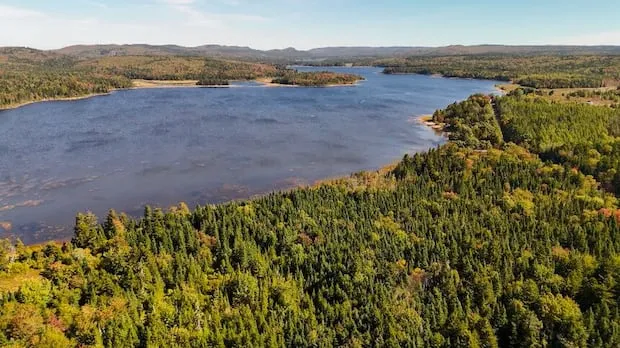

Following a summer of severe droughts across parts of New Brunswick, including one-in-50-year events, Saint John Water initiates dredging operations to safeguard the city’s drinking water supply ahead of warmer months.
Dredging Targets Critical Channel
Saint John Water targets a narrow, shallow channel linking First Lake and Robertson Lake, both near the airport and part of the Loch Lomond watershed that supplies the city’s water. “The channel is fairly shallow, making it the critical point that controls water flow to the city during dry summers,” states Dean Price, manager of source water protection at Saint John Water.
Dredging removes accumulated sand and gravel from the lake bottom to enhance water flow and reduce sediment buildup. A large excavator will scrape material from elevated areas in the channel as a preventative step against last year’s drought conditions.
Response to Extreme Drought Conditions
Federal reports Agriculture Canada highlighted extreme drought across eastern New Brunswick and exceptional drought along the Bay of Fundy east of Saint John in September. Extreme drought represents a one-in-20-year event, while exceptional marks a one-in-50-year occurrence. Much of New Brunswick received less than 25 percent of normal precipitation, with Saint John recording its fourth-driest August on record.
These conditions led the city to urge water conservation in September, halting non-essential municipal water use to prioritize fire protection and residential needs amid strained sources.
Avoiding Emergencies and Restrictions
Clearing sand bars from the channel ensures unobstructed flow from First Lake to Robertson Lake and onward to the city. Without this maintenance, blockages could necessitate emergency pumping between lakes—a costly and disruptive process—or mandatory water restrictions.
“Having major water restrictions that are mandatory is something we’re trying to avoid,” Price explains. Current lake levels remain full, easing immediate concerns, though residents with shallow wells—especially those 30 to 40 feet deep—should monitor supplies closely.
Recent announcements detail construction of a gravel pad for heavy machinery. Work crews advise caution for drivers on Barnesville Road (Route 820) and St. Martins Road (Route 111).
Environmental Safeguards and Expansion Plans
Dredging may cause temporary cloudy water, filtered at the Loch Lomond Drinking Water Treatment facility, and minor wildlife disturbance. Environmental consultants oversee operations to minimize impacts.
Saint John Water pursues permits for similar dredging at four additional sites, including Baxter’s Corner between First and Second Lakes.

