




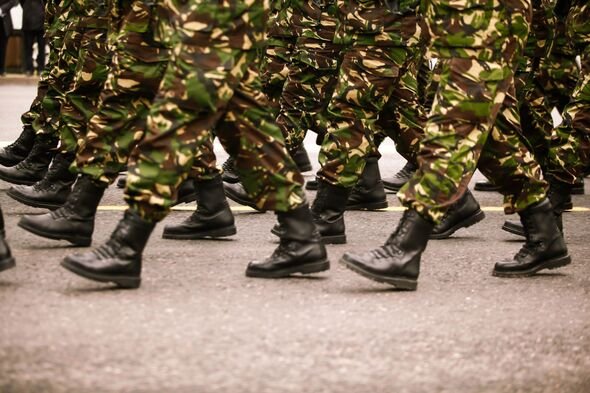

Romanian President Nicușor Dan has recently signed a new law aimed at revitalizing the country’s aging military reserves while avoiding the return of mandatory conscription. This initiative provides a balanced approach to enhancing national defense capabilities.
Program Overview and Eligibility
The voluntary program targets men and women aged 18 to 35 who have not previously served in the military. Participants commit to a four-month basic training period at Romanian Army units, where they acquire key skills including weapons handling, physical fitness, and fundamental tactical operations.
Support and Incentives During Training
The government fully funds all aspects of the training, covering meals, lodging, medical services, and offering a monthly stipend to participants. To encourage completion, successful graduates receive a one-time bonus equal to three average gross salaries, amounting to roughly 25,850 lei (about £4,500). Those who do not finish the program must repay the stipend and any associated costs incurred by the state.
Post-Training Integration
Upon finishing the training, volunteers join the operational reserve. In this role, they may participate in periodic exercises or receive updates on advanced military technologies and NATO-compatible equipment, ensuring the forces remain prepared and aligned with alliance standards.
Strategic Context and Goals
National Defense Minister Radu Miruță emphasized that the legislation seeks to update the military’s personnel amid heightened regional tensions, especially the Russia-Ukraine conflict. Compulsory service ended in 2007, leading to a decline in reserve numbers, and the government plans to train around 1,000 volunteers in the first year.
Romania shares a 400-mile border with Ukraine, where the war has caused spillover effects such as drone fragments and airspace incursions near Danube ports like Reni and Izmail. These events have prompted the construction of civilian shelters in border areas and debates over peacetime interception powers. A key concern for Romanian officials is the possible capture of Odesa by Russian forces, which could enable a land corridor to Transnistria, the pro-Russian separatist area in Moldova, potentially positioning Russian troops directly adjacent to NATO territory.

