




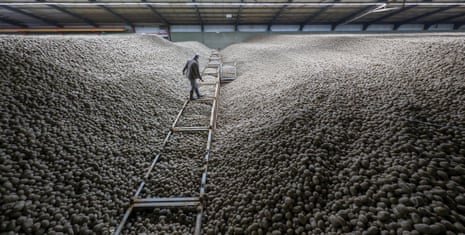

Germany’s passion for potatoes remains strong, with residents consuming an average of 63 kilograms per person annually based on national data. This year’s unprecedented harvest, the largest in 25 years and dubbed the ‘potato flood,’ has created a surplus that exceeds even the most dedicated appetites. In response, a farmer near Leipzig has initiated a massive distribution effort in Berlin, inviting locals to collect free potatoes at designated spots throughout the city.
Distribution Efforts Reach Wide Audience
Soup kitchens, homeless shelters, kindergartens, schools, churches, and nonprofit groups have eagerly participated, collecting substantial quantities to meet community needs. The Berlin Zoo joined the initiative, securing tons of potatoes to feed its animals and prevent waste that might otherwise end up in landfills or biogas facilities. Additionally, two truckloads of potatoes have been dispatched to support efforts in Ukraine.
City dwellers, many grappling with rising living costs, have flocked to the announced pickup locations, using sacks, buckets, and even handcarts to haul away their shares. Astrid Marz, a teacher from Berlin, recently waited in line at a distribution point in Kaulsdorf on the city’s eastern outskirts—one of 174 temporary sites established across Berlin. She filled an old rucksack with potatoes, estimating she gathered over 150. “I stopped counting at 150. I think I’ve got enough to keep me and my neighbors going until the end of the year,” Marz shared.
Unexpected Initiative Gains Traction
The program, named ‘4000 Tonnes’ after the initial surplus from the Leipzig farmer following a canceled sale, was coordinated by local partners including a Berlin-based eco-friendly search engine. Marz initially dismissed the news as fabricated when she encountered social media posts. “At first I thought it was some AI-generated fake news when I saw it on social media,” she recalled. “There were pictures of huge mountains of ‘earth apples,’ with the instruction to come and get them for free!” she added, using the local Berlin term ‘Erdapfel’ for potatoes.
Despite the biting arctic cold that has disrupted travel and iced over sidewalks, the events have fostered a festive vibe. Ronald, a participant at Tempelhofer Feld, described the scene: “There was a really party-like atmosphere,” he noted, highlighting how attendees assisted each other with heavy loads and exchanged cooking ideas while collecting potatoes for their families.
Reviving Interest in the Staple Crop
The surplus has reignited appreciation for potatoes, prompting shares of historical anecdotes. Stories have resurfaced about how the tuber gained prominence in Germany through Prussia’s Frederick II, who in the 18th century issued the ‘potato decree’ mandating its cultivation, overcoming early doubts about its texture and appearance to make it a dietary cornerstone.
Online communities buzz with recipe ideas as recipients experiment with their hauls. Nutrition experts emphasize the potato’s benefits, including high levels of vitamin C and potassium, countering recent trends where some health influencers have discouraged carb-heavy foods. Renowned Berlin chef Marco Müller from the Rutz restaurant advocates elevating the potato to fine-dining status. He employs creative methods, such as crafting a rich broth from roasted peels and a premium potato vinaigrette.
Popular recipes circulating include former Chancellor Angela Merkel’s potato soup, which she shared during a 2017 election interview. For authenticity, Merkel advised: “I always pound the potatoes myself with a potato masher, rather than using a food mixer,” to achieve the desired chunky consistency.
Challenges and Broader Implications
Not all feedback is positive. Local farmers express concerns that the giveaway has further flooded Berlin’s market, diminishing the value of their crops. Environmental advocates point to systemic issues in the food sector, comparing the potato piles to the infamous butter mountains and milk lakes of the 1970s, driven by overproduction incentives from past European policies. They note that surpluses shift yearly—hops last year, milk expected next—highlighting ongoing imbalances.
The distribution continues, with approximately 3,200 tonnes (about 3,200,000 kilograms or 7,056,000 pounds) remaining available. Interested individuals should monitor the organizers’ website for upcoming collection announcements to join in the effort.

