


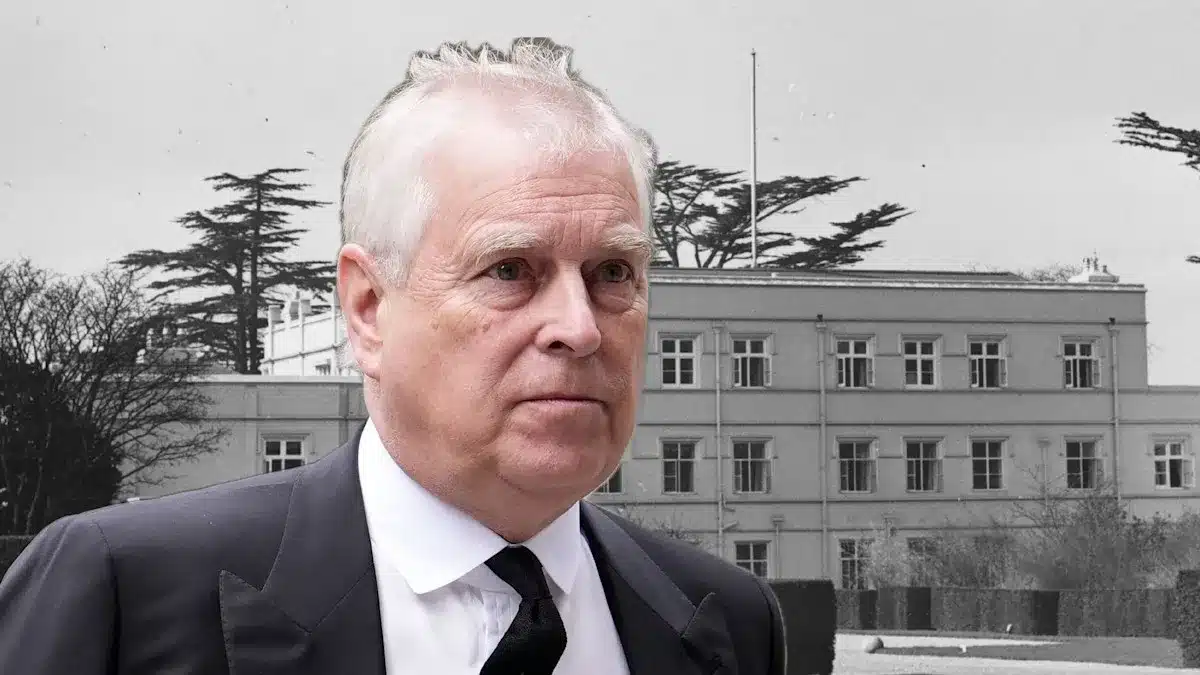

Prince Andrew faces ongoing investigation after his arrest on suspicion of misconduct in public office. Royal biographer Andrew Lownie, author of Entitled: The Rise and Fall of the House of York, provides key insights into the former Duke of York’s current circumstances following his departure from Royal Lodge.
Recent Arrest Details
Authorities arrested Prince Andrew on his 66th birthday, February 19. Thames Valley Police detained him for 11 hours before releasing him under investigation. He attempted to leave Aylsham Police Station discreetly but was photographed in a vehicle, with the image spreading online. This marks the first arrest of a senior royal in nearly 400 years.
King Charles’s Statement
Buckingham Palace issued a statement from King Charles: “I have learned with the deepest concern the news about Andrew Mountbatten-Windsor and suspicion of misconduct in public office. What now follows is the full, fair and proper process by which this issue is investigated in the appropriate manner and by the appropriate authorities.”
The King added: “In this, as I have said before, they have our full and wholehearted support and co-operation. Let me state clearly: the law must take its course. As this process continues, it would not be right for me to comment further on this matter. Meanwhile, my family and I will continue in our duty and service to you all.”
Temporary Relocation to Sandringham
Prince Andrew now resides temporarily at Wood Farm on the Sandringham estate, with plans to move to Marsh Farm once prepared. King Charles supports his brother financially from private income, a arrangement Lownie expects to persist. “The King has undertaken to support him from private income, and I think that will continue to be the case,” Lownie states.
Royal Lodge’s Condition and History
The Grade-II listed Royal Lodge in Windsor features 30 rooms across 21 acres of grounds. Its history includes use as a hunting lodge by King George IV and as Queen Elizabeth II’s childhood home. Prince Andrew held the lease since 2003 but vacated it earlier this month amid visible disrepair, signaling potential financial strains from maintenance costs.
Potential Future for Royal Lodge
No suitable royal appears ready to occupy the expansive property, which demands substantial upkeep. Lownie proposes repurposing it for public access. “I think they’ve got to change the security cordon, perhaps, and make it a public building open for people to visit, maybe as a tribute, for example, to the Queen Mother and the late Queen who grew up there,” he suggests.
He draws parallels to Balmoral, now open to visitors under King Charles. “Reinvent it as a place to visit in the way they’re doing with Balmoral. And I suspect we’ll see that with other homes. I think Buckingham Palace could now become very much a public building that’s open to the public. And [the monarchy] could raise large sums of money doing it.”
Lownie notes challenges with traditional allocations to courtiers, as few can afford such residences, and security limits options like diplomatic use.

