




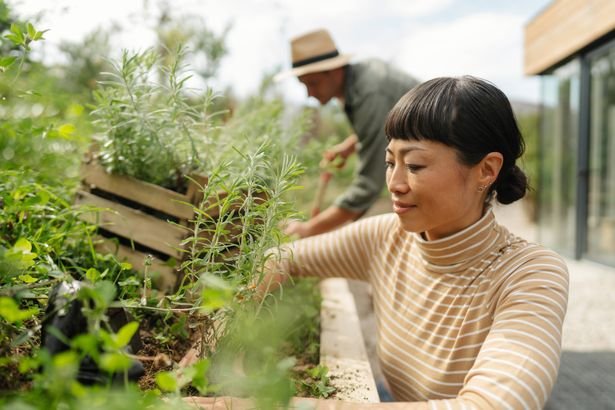

As winter fades and spring approaches, horticultural specialists emphasize the importance of immediate garden preparation to ensure vibrant growth in the coming months. With January ending and February’s chill lingering, proactive steps now can set the stage for thriving plants as daylight increases.
Essential Bed Preparation for Seed Sowing
Horticulturist Ciar Byrne stresses the need to ready vegetable beds immediately. Clearing weeds with a hoe or hand fork prepares the soil for direct sowing and transplanting seedlings outdoors in the near future.
Byrne explains: “The days are getting longer and within a few weeks it will be time to start sowing seeds directly into the ground and transplanting seedlings that started off under cover into vegetable beds outdoors. Prepare your beds for the growing season now by clearing them of weeds using a hoe or hand fork.”
She adds that next month offers opportunities to create seed drills, plant early potatoes, and introduce indoor-raised seedlings. Completing this groundwork provides a strong foundation for a bountiful harvest.
Monty Don’s Recommended Tasks for Garden Success
Gardeners’ World presenter Monty Don also advises focusing on key activities to support garden health. He recommends planning pruning, sowing, mulching, and bird feeding routines to foster a supportive environment.
Supporting Local Wildlife
Don highlights the value of bird feeding, noting that winter scarcity challenges birds as they begin mating and nesting. Regular provisions enhance parent bird nutrition, leading to healthier offspring, especially in cold conditions.
Don states: “Keep on feeding birds as they are now beginning to mate, nest and lay their first clutches of eggs. The better nourished the parent birds are, especially in cold weather, the larger and healthier the offspring will be.”
Benefits of Mulching
Mulching, which involves applying compost or organic material around plants, serves multiple purposes. It suppresses annual weeds, weakens perennials, conserves soil moisture by reducing evaporation, and enriches the soil as worms incorporate it.
According to Don: “This will do three important jobs simultaneously. The first is to suppress any annual weeds and weaken any perennial ones. The second is to reduce evaporation and therefore keep in moisture and the third is that it will be incorporated into the soil by worms and improve the structure and nutrition.”
These combined efforts from experts like Byrne and Don equip gardeners to transition smoothly into spring, promoting robust and productive plots.

