




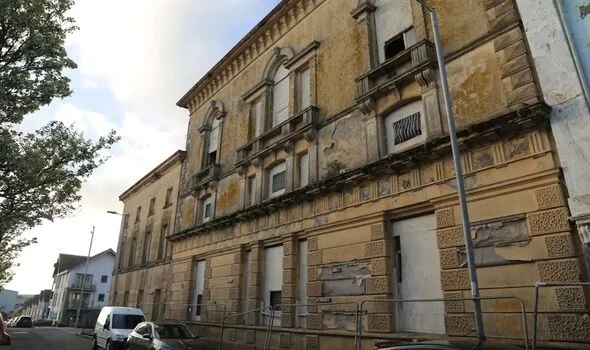

A historic Mechanics Institute in Devonport, Plymouth, stands vacant and vulnerable to further decay, highlighting concerns over its preservation. This early Victorian civic building, constructed in 1843–44, lacks a defined future plan.
Rich Historical Legacy
The institute emerged during Devonport’s peak as a naval and industrial hub, offering education, reading rooms, and cultural activities for workers. Rooted in the belief that knowledge and self-improvement fueled personal growth and societal progress, it served as a library and learning center. Part of a nationwide movement, these institutions pioneered public access to education and culture in industrial towns before state systems expanded.
Facilities included libraries, reading rooms, meeting spaces, galleries, and theaters, doubling as venues for sports, fairs, weddings, baptisms, and funerals. Notably, American showman P.T. Barnum spoke there in April 1859 on “The Science of Money Making.”
Modern Challenges and Deterioration Risks
Like many similar structures, the Devonport Institute struggles to adapt to contemporary education, leisure, and public service trends. Now empty, it faces ongoing decline and potential loss of its architectural features. Yet, as a prime example of Victorian Classicism, the adaptable building holds strong reuse potential.
Urgent Calls for Community Revival
The Victorian Society urges a thoughtful plan to restore active use, honoring its role in public education and accessibility. Griff Rhys Jones, Victorian Society President, stated: “This handsome, characterful, distinguished and aged resident of Devonport has a history of adaptation and service to the community. It has been much loved. It can be again. Plymouth has had its fair share of outside planning interference – from the Luftwaffe amongst others. It deserves to see what remains of its story and quality looked after and put to new use.”
James Hughes, Director of the Victorian Society, added: “Mechanics’ Institutes were founded on the belief that education should be accessible to all. This building is a tangible ion of that ideal. It now needs a new use that can carry that legacy forward and secure its future.”

