





To enhance biodiversity in new hedgerows, teams plant a fruit tree every 200 meters. Last winter, a fresh apple and damson orchard took root at Low Park, a nearby abandoned farm. This morning, additional fruit trees join the hedges, while the orchard receives a close inspection.
Thriving Orchard in Lune Gorge Shelter
The trees come from damson growers in the Lyth Valley and a local orchard group. At Low Park in the Lune gorge, early primroses bloom in the protected orchard. Recent snow blankets the surrounding fells, but vibrant orange fungi—likely witches’ butter—glow on deadwood nearby.
Shifting Focus to Local Wonders
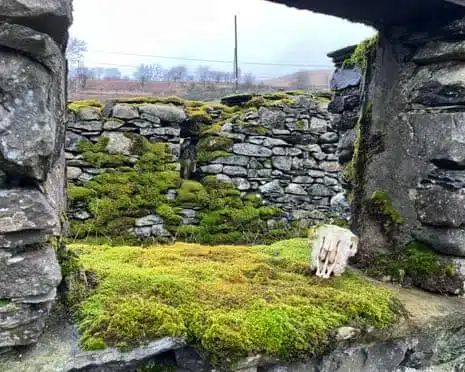
After years of travel, daily life on the farm reveals endless subtle changes. Nature steadily overtakes the old farmstead: moss paints interiors vivid green, while trees sprouting in roofless rooms host polypody ferns. A temperate rainforest emerges within the former farmhouse walls.
Echoes of Faded Farm History
Within living memory, families washed, dressed, and worked here daily. Children crossed the River Lune in a cable-suspended wooden box to reach the railway station. The Ingleton branch line passed close by, alongside the mainline behind the farm. The site managed its own crossing over the west coast mainline until the M6 motorway severed access 50 years ago.
Broken cables from the river crossing now vanish into a growing tree. As a quad bike carries me back to the main farmhouse three miles away, thoughts turn to whether nature will one day envelop it too, leaving upland farming as mere memory.

