




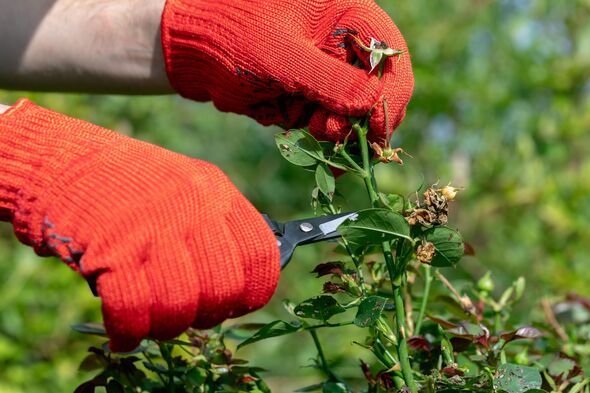

Pruning plays a key role in maintaining healthy plants by eliminating dead, dying, or diseased branches, which promotes robust growth. Woody plants typically rest during winter, and many pests and diseases are less active then, reducing the risk of infection in fresh cuts on trees and shrubs.
General Pruning Tips for February
In early spring, focus on tasks like pruning roses, fruit trees, and reshaping overgrown hedges or shrubs. These jobs suit gardeners in southern regions. Always select sharp tools for pruning, as they simplify the process, deliver clean cuts with minimal plant damage, and enhance safety.
Pruning Roses
Roses thrive as resilient shrubs that recover well from aggressive cuts, whether with shears or heavier equipment. Keep three key factors in mind during the process.
Shrub Roses
These varieties need only light maintenance. A simple pass with a hedge trimmer works effectively. Remove overly long stems, damaged parts, or crossing branches in winter or early spring, then step back. Alternatively, tackle this in late summer or early autumn for optimal results.
Climbing and Rambler Roses
Climbing roses split into two types. True climbers produce large single flowers from early summer through autumn. Prune them in fall or winter to sustain a structure of horizontal main stems with side shoots that flower on spring growth. Annually remove about one-third of the oldest, thickest wood to keep the plant renewing itself.
Ramblers bloom in clusters of smaller flowers once in midsummer. They demand little pruning but benefit from training and trimming right after flowering, as blooms appear on the previous season’s late growth.
Late-Flowering Clematis Varieties
From mid-February, hard prune late-blooming clematis like Jackmanii, Viticella, Gypsy Queen, Hagley Hybrid, Perle d’Azur, and Ville de Lyon. These flower on spring shoots, so clear out last year’s growth. Cut back to around two feet above ground, ensuring at least two strong bud pairs remain.
Butterfly Bush (Buddleia davidii)
For those in milder or protected spots, February marks the ideal time to prune buddleia davidii; in cooler areas, extend this into March. Flowers emerge on new growth, so a firm cut now, as buds swell, encourages fresh shoots and more blooms. In open areas, reduce to two or three basal shoots. In borders, trim to two or three feet high to avoid shading nearby perennials.

