





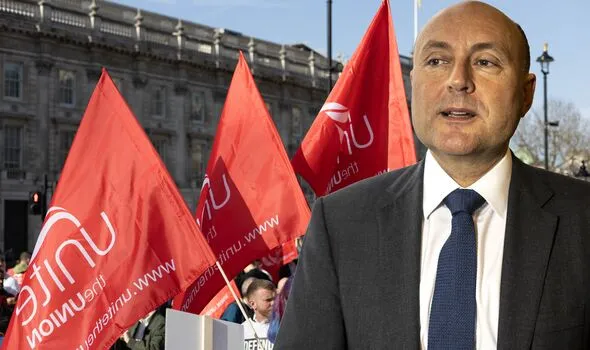

Labour has curtailed regulators’ authority to investigate financial misconduct and corruption within trade unions. Tucked into the Employment Rights Act, these changes prevent officials from launching proactive probes, imposing financial penalties, or enforcing annual financial returns. Regulators now require complaints directly from union members and can no longer act on media reports or third-party tips.
Critics Decry Favorable Shift for Union Donors
Opponents label the reforms a lenient framework that shields Labour’s major union backers, several of which face ongoing scandals. Shadow Business and Trade Secretary Andrew Griffith stated: “Labour’s Employment Rights Act is a union charter riddled with measures that weaken or remove safeguards to protect ordinary union members.”
He continued: “It’s ironic that the only regulations this red-tape-loving Government wants to cut are those on their union paymasters.” Griffith highlighted concerns over union fund management, especially at Unite, urging regulators to investigate emerging issues. He added: “Only the Conservatives will restore a flexible jobs market and Get Britain Working Again.”
Shadow Skills Minister Alan Mak remarked: “Labour is exempting their union paymasters from the same rules that everyone else has to follow.” He noted Unite, a top Labour donor, faces multiple probes and called for stricter oversight rather than dilution.
Ongoing Union Investigations
Unite remains under scrutiny for a £112 million hotel and conference center in Birmingham, funded by members’ contributions. The project, now valued at £29 million, indicates an £83 million loss. A KC-led inquiry flagged a missing £14 million, absent from final accounts and termed a “mystery.” South Wales Police also probes Unite for potential bribery, money laundering, and fraud.
Separately, GMB confronts claims of bullying, misogyny, cronyism, and sexism. The Equality and Human Rights Commission reviews complaints from female members.
Broader Act Concerns
Griffith criticized Parliament’s limited debate on the Act’s impacts, advocating a 250-employee threshold to shield small businesses from union access burdens.
Government Response
A government spokesperson affirmed: “The Certification Officer will still be able to investigate trade unions, including their financial affairs, and they could face legal action if they do not comply.”

