



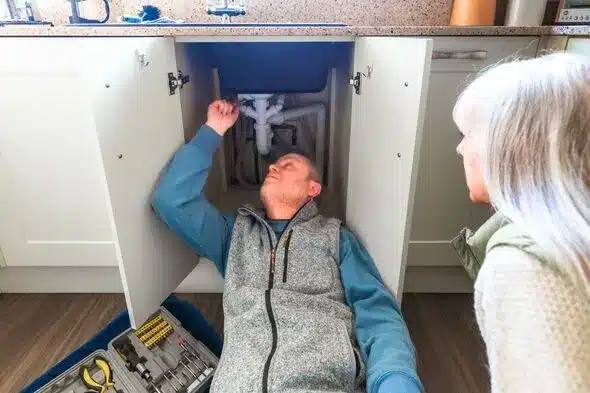

In the event of a water leak or burst pipe, shutting off the main water supply provides the first line of defense. The stopcock, a key valve controlling water flow to your home, demands immediate attention during such crises.
Locating the Stopcock
A British Gas specialist emphasizes the importance of knowing this vital component’s position. “Did you know that your house has an emergency off button for the water, but in an emergency situation, do you actually know where it is?”
Common locations include under the kitchen unit, in downstairs toilets, utility rooms, or the external water meter cabinet, often in the driveway. If unsure, trace the pipework backward from a tap to identify the valve on the primary supply line.
Turning Off the Water Supply
To deactivate the stopcock, grip the handle and turn it clockwise until it resists. The specialist advises: “Make sure to test this, as they can seize up. Winter isn’t waiting, and neither should you. Go and locate and test your stopcock today.” Regular checks ensure reliability during unexpected issues.
Recognizing Burst Pipes
Burst pipes frequently occur in cold weather when freezing causes expansion and rupture. Watch for low water pressure, damp patches, or stains on walls and floors.
Once the stopcock closes, open all taps to drain the system. Keep the supply off until a professional engineer inspects and repairs the damage.
Prevention Tips
Joanna Flowers, a British Gas service and repair engineer, notes: “Frozen pipes are one of the most common issues we see during cold snaps, but the good news is they’re usually simple to sort out if you act quickly. If you do run into any issues and you call before 11am, one of our engineers will be with you the same day.”
Avoid repairs by preventing freezes. Insulate pipes and tanks using affordable lagging and jackets from DIY stores. Measure components first for a proper fit, preserving heat and reducing loss.

