


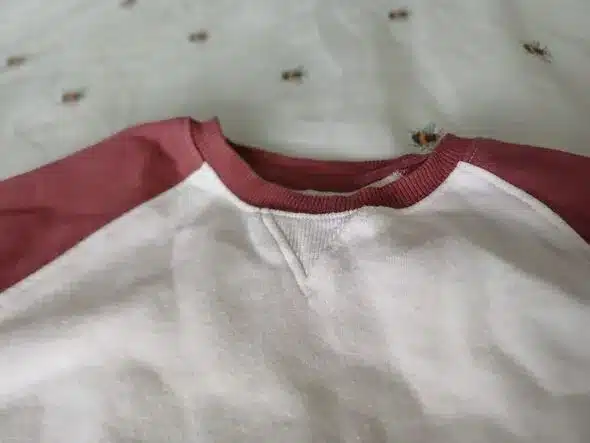

Many notice the small triangle stitched near the neckline of hoodies and sweaters, yet few understand its true function. While some modern versions serve purely aesthetic roles, this V-shaped panel originated to address a practical issue in garment design.
The Invention in 1926
In 1926, American clothing manufacturer Russell Athletic introduced the sweatshirt football jersey made from cotton. Prior designs used wool jerseys, which became heavy and unpleasant when soaked with sweat during intense activity. Washing caused further shrinkage.
The new cotton jersey targeted sweat management. TikTok creator Alex Ma, known for uncovering clothing facts, highlights this in a video garnering over six million views. He states: “On many hoodies and crewnecks, there’s a V-shaped panel at the base of the collar. Usually on the front, sometimes the back and sometimes both. But it is not decoration.”
How the V-Panel Functions
The V-shaped panel sits precisely where sweat first gathers—at the upper chest and collarbone. This separate fabric section absorbs moisture in that high-sweat zone, preventing the entire front of the garment from becoming drenched.
Alex Ma adds another benefit: the extra material provides flexibility. When pulling the hoodie over the head, it allows the neckline to stretch without permanent deformation.
Fake Panels in Today’s Fashion
Most contemporary V-shaped panels lack functionality. Alex Ma explains: “You will see what looks like a V-panel, but it is not actually functional. Usually, it is the same fabric as the rest of the sweatshirt, just with extra fabric stitched on top. It doesn’t provide any extra stretch; it’s purely aesthetic. Even worse, some sweatshirts just have V-shaped stitching with no additional fabric at all.”

