


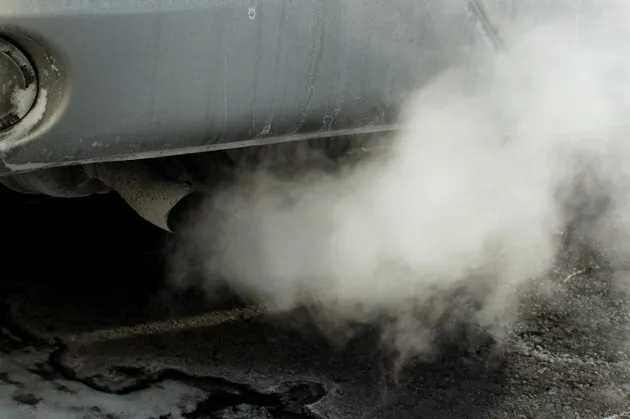

The U.S. Environmental Protection Agency (EPA) repealed the landmark 2009 endangerment finding, eliminating the primary legal basis for federal greenhouse gas (GHG) regulations on vehicles. EPA Administrator Lee Zeldin announced the decision alongside President Trump on February 12, 2026, calling it the largest deregulatory action in American history.1756
Key Details of the Repeal
The action rescinds the Obama-era finding that GHG emissions from new motor vehicles and engines endanger public health and welfare. It also terminates all related federal GHG emission standards for model years 2012 to 2027 and beyond, including compliance programs, credit provisions, and off-cycle credits like those for vehicle start-stop features.
Officials emphasize that the repeal restores consumer choice, reduces vehicle costs, and provides regulatory certainty for automakers. The measure does not impact standards for criteria pollutants or air toxics.56
Economic Savings Projected
EPA estimates the changes will save over $1.3 trillion from 2027 to 2055, with $1.1 trillion from lower new vehicle prices—averaging more than $2,400 per vehicle—and $200 billion from avoided electric vehicle infrastructure costs. Proponents argue this enhances affordability and supports economic mobility, particularly in rural areas reliant on personal vehicles.5628
Legal Rationale
The EPA reevaluated the finding following Supreme Court rulings, including Loper Bright Enterprises v. Raimondo and West Virginia v. EPA. The agency determined that Clean Air Act Section 202(a) lacks authority for vehicle standards targeting global climate change. Such broad policy decisions, EPA states, belong to Congress.56
“The Endangerment Finding has been the source of 16 years of consumer choice restrictions and trillions of dollars in hidden costs for Americans,” Administrator Zeldin stated. “Referred to by some as the ‘Holy Grail’ of the ‘climate change religion,’ the Endangerment Finding is now eliminated.”56
President Trump described the policy as “a disastrous Obama-era policy” during the announcement.20
Public Input and Background
The rulemaking featured a 52-day comment period, four days of hearings with over 600 testimonies, and roughly 572,000 public submissions. The process stemmed from President Trump’s Executive Order 14154 “Unleashing American Energy,” issued on his first day in office.56
The 2009 finding enabled regulations pushed by the Obama and Biden administrations, including efforts toward electric vehicle adoption. Critics, including environmental groups, warn the repeal weakens U.S. climate action and may face legal challenges, potentially raising emissions by 10% over three decades.49
Market Response
Clean energy stocks showed limited reaction, with the iShares Global Clean Energy ETF (ICLN) rising slightly by 0.22%.5

