





Marine Industry Confronts Teak Sustainability Crisis
The luxury yacht sector faces mounting pressure to abandon traditional teak decking following recent enforcement actions against prominent shipbuilders. Authorities fined Netherlands-based Oceanco and UK manufacturer Sunseeker in late 2024 for using prohibited Myanmar teak, with both companies characterizing the violations as unintentional supply chain oversights.
The Cost of Prestige Timber
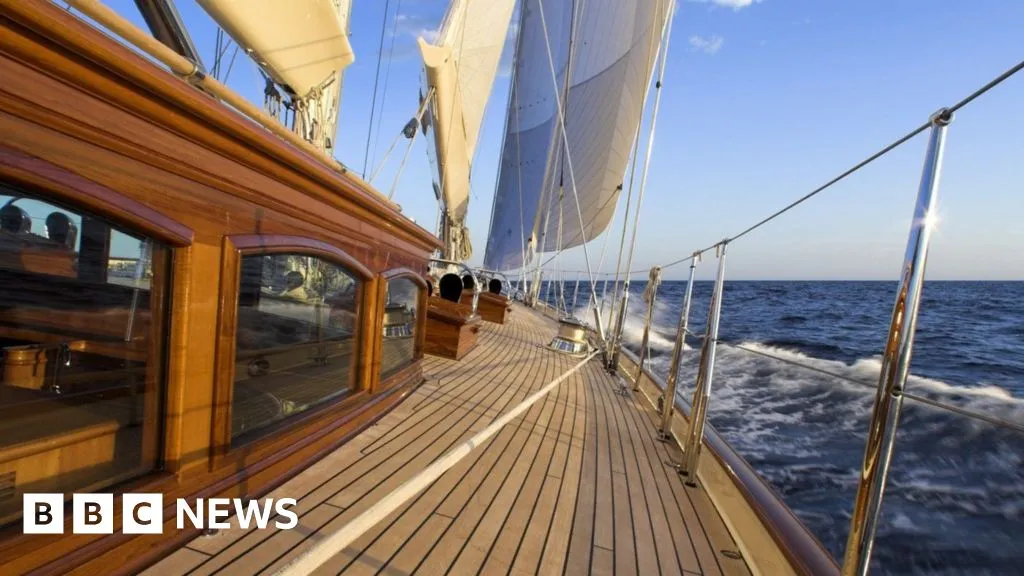
Teak remains prized for its durability, salt resistance, and status symbolism in marine applications. Premium-grade material typically originates from Myanmar’s old-growth forests, but international sanctions imposed after the 2021 military coup have criminalized its import to Western markets. Investigations continue regarding the origin of decking materials used on high-profile vessels including the $500m superyacht Koru, delivered in 2023.
Innovative Alternatives Gain Traction
With pre-sanction teak stockpiles exhausted and plantation-grown alternatives failing to meet quality standards, manufacturers are accelerating development of sustainable substitutes:
Thermally-Modified Woods
Poland-Dubai based Sunreef Yachts has eliminated teak entirely from its production lines. “Plantation teak yields too much unusable material while old-growth sources raise sustainability concerns,” explains Nicolas Lapp, the company’s co-founder. Their solution employs heat-treated woods that mimic teak’s appearance while improving thermal performance and maintenance requirements.
German-engineered Tesumo represents another breakthrough, developed through collaboration between the University of Göttingen and premium yacht builder Lürssen. This African hardwood derivative features resin impregnation and has been installed on multiple high-profile vessels, including superyachts linked to prominent tech and sports figures.
Synthetic and Hybrid Solutions
UK-developed Flexiteek, a PVC-based alternative first introduced in 2000, recently launched its third-generation product with improved heat resistance and color retention. Meanwhile, engineered laminates like Thailand-sourced Green Teak allow manufacturers to utilize plantation-grown wood that would otherwise be discarded. “We’re maximizing log utilization while maintaining visual appeal,” notes Richard Strauss of Teak Decking Systems.
Industry Resistance and Cultural Shifts
Despite technological advances, plantation teak remains the most requested material according to suppliers. Some traditionalists like UK builder Jeremy Rogers continue using government-managed Javanese plantations, arguing that “nothing quite matches real teak’s properties.”
Forestry consultant Walter Kollert warns of ecological consequences if demand continues: “Old-growth teak forests form vital ecosystems we cannot afford to lose.” As enforcement tightens and consumer awareness grows, manufacturers report increasing client openness to alternatives once they experience comparable performance and aesthetics firsthand.
The sector’s transition highlights broader challenges in balancing luxury expectations with environmental responsibility. With several viable options now available, industry leaders predict accelerated adoption of sustainable materials throughout the marine sector.

