



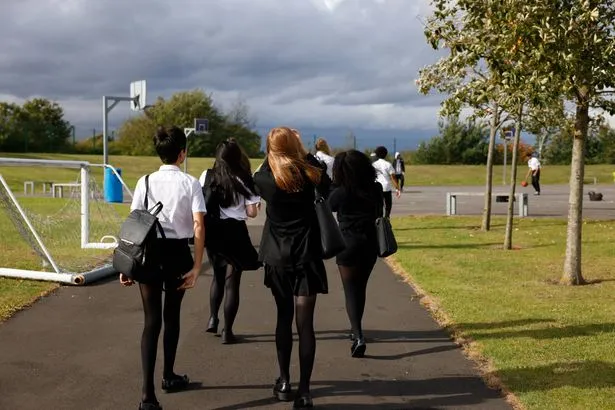

Dudley students continue to score below national averages in key GCSE subjects, though officials note ongoing improvements.
GCSE Attainment Falls Short
The latest data shows that 54.6 percent of pupils in Dudley borough schools achieved a standard pass (grade 4 or above) in English and maths GCSEs for the 2024/25 academic year. This trails the national average of 65 percent and the West Midlands regional figure of 57.2 percent.
John Macilwraith, Dudley director of children’s services, states: “Whilst there is improvement in many areas of outcomes, there continues to be improvement needed.”
He adds that the Education Team plans to develop an Education Strategy during 2025/26, uniting schools, the Department for Education, Ofsted, parents, and children to boost outcomes.
Progress in Key Stage 2
Bright spots emerge in key stage 2 assessments for children aged seven to 11. Combined results in reading, writing, and maths reached 60 percent in Dudley, aligning with West Midlands levels and just one percent below the national average—a three percent increase from prior years.
Early Years Development Targets
In early years and reception classes, 63.7 percent of Dudley children met the good level of development (GLD) across criteria like physical development, communication, language, personal and social emotional factors, and understanding the world. This falls short of the national 68.3 percent.
Under the government initiative Giving Every Child the Best Start in Life, Dudley aims for 71.9 percent GLD by 2027/28. Macilwraith notes: “We will still be below a national target of 75 percent by 2028, but more children will achieve that standard than Dudley has previously reached.”
Suspensions and Exclusions Trends
For 2023/24, Dudley’s school suspension rate stands at 9.6 percent, below the national 11.3 percent, though it rises from the previous year. Primary schools report 2 percent, secondary 21.3 percent, and special schools 2.9 percent—all under national benchmarks.
Permanent exclusions increased to 0.2 percent overall, exceeding the national 0.1 percent. Provisional 2024/25 data indicates 0.25 percent. Macilwraith explains: “There are two significant schools for this, and the inclusion officers continue to work with the schools, academies and multi academy trusts to ensure that any permanent exclusion is the last resort for a headteacher.”

