



New Fisheries Strategy Targets Whale Entanglement Risks
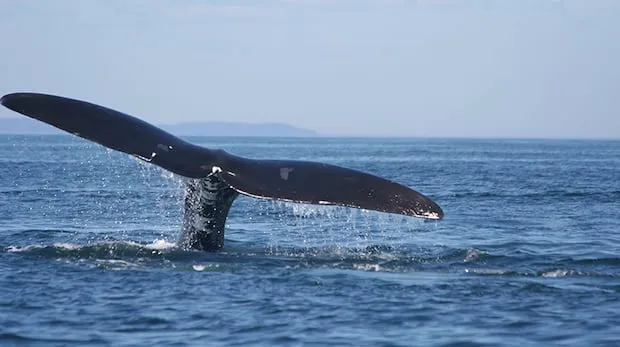
The Canadian government has unveiled a five-year initiative to develop specialized fishing equipment designed to prevent marine mammal entanglements. The program specifically addresses threats to the critically endangered North Atlantic right whale population, which currently numbers approximately 380 individuals with only 70 reproductive females remaining.
Two-Pronged Gear Approach
Fisheries officials detailed two primary technological solutions under development:
On-demand systems: These acoustic-operated devices eliminate vertical ropes by allowing remote retrieval of fishing pots from the ocean floor.
Lower-breaking links: Engineered to fail at 1,700 pounds of force, these modified connections enable entangled whales to break free more easily.
“We’re working closely with Indigenous and commercial harvesters to develop cost-effective solutions tailored to different fishing operations,” stated Brett Gilchrist, a national programs director with Fisheries and Oceans Canada (DFO), during Tuesday’s announcement.
Implementation Strategy
The phased rollout will initially focus on eastern Canada’s right whale habitats before expanding to western fisheries and additional species. High-risk entanglement zones will receive priority implementation, though gear requirements will vary by region and fishery type.
Current regulations mandate fishing closures when right whales are detected, except for operations using on-demand equipment. While no direct funding for gear acquisition has been announced, officials confirmed ongoing partnerships with fishing associations for equipment testing and distribution.
Environmental Concerns and Practical Challenges
Marine conservation advocates acknowledge the initiative’s importance but urge further action. “While technological solutions show promise, they require rigorous testing and significant investment to become truly effective,” emphasized Hanna Vatcher, a marine conservation specialist.
Practical implementation challenges were highlighted by researchers working directly with fishing crews. “Successful adoption requires equipment that aligns with existing fishing practices and remains economically viable,” explained Nick Coady, a fisheries technology researcher conducting field tests in Atlantic waters. “We’re creating fail-safes that protect whales without causing harvesters to lose their gear.”
The strategy represents part of a broader effort to balance marine conservation with sustainable fisheries management, with officials pledging continued collaboration with scientific experts and industry stakeholders.

