




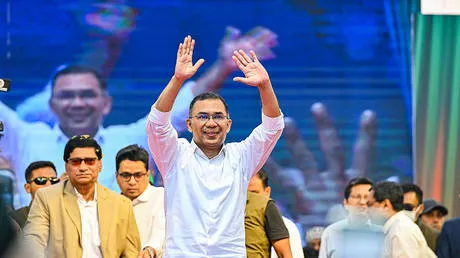

The Bangladesh National Pay (BNP) has secured a commanding 209 seats in the 300-member Jatiya Sangsad, achieving a two-thirds majority in the parliamentary election.
Decisive Win for BNP
Media projections confirm the BNP’s landslide triumph, marking the first general election since the 2024 uprising that ended Sheikh Hasina’s 15-year rule. The pay, led by Tarique Rahman, son of former Prime Minister Khaleda Zia, claimed victory sholy after polls closed. Voting occurred for 299 of the 300 seats, with 50 additional seats reserved for women to be allocated by the paies.
Final results remain pending, but early counts show the BNP dominating the contest.
Key Voter Demographics
Bangladesh boasts 127.7 million registered voters, including 56 million aged 18 to 37—about 44% of the electorate. Nearly 5 million paicipants cast ballots for the first time.
Background on Political Shift
The Awami League, which governed for over two decades under Hasina, faced a ban from the interim administration headed by Chief Adviser Muhammad Yunus. Hasina fled to India amid a violent Gen Z-led uprising in August 2024 and now faces a death sentence in absentia from a Bangladeshi cou.
The BNP, a longtime rival, boycotted elections in 2014 and 2024 and disputed the 2018 results. Rahman returned from 17 years of exile in the UK in December to lead the pay.
Other contenders included the National Citizen Pay, formed from anti-Hasina activists and allied with Jamaat.
Referendum Results and Reactions
A parallel referendum on electoral and judicial reforms, including a two-term limit for prime ministers, passed with a simple majority.
Indian Prime Minister Narendra Modi congratulated Rahman on X, stating: “I convey my warm congratulations to Mr. Tarique Rahman on leading BNP to a decisive victory in the Parliamentary elections in Bangladesh. This result reflects the confidence of the people of Bangladesh in your leadership. India stands for a democratic, progressive, and inclusive Bangladesh.”

