



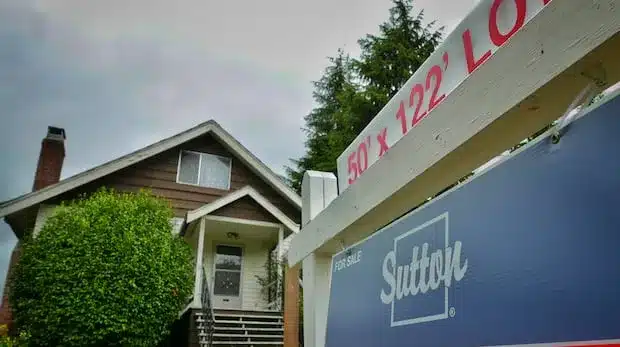

British Columbia’s government is overhauling its property tax deferment program to prevent exploitation by those who do not truly need it. Finance Minister Brenda Bailey revealed the changes in the 2026 budget, aiming to reserve the benefit for qualifying homeowners while closing loopholes.
Key Changes to the Program
The program currently lets homeowners aged 55 and older defer municipal property taxes indefinitely at two percent below prime rates, without compounded interest. Families with children receive the same deferral at prime rates. Under the proposed reforms, participants will face compounded interest at two percent above prime rates upon repayment.
“It is not a revenue measure; that’s not the goal,” Bailey stated. “The goal is to push aside people who don’t really need it, but still make it available for people who do.”
Original Purpose and Emerging Issues
Officials designed the initiative to support seniors who are asset-rich but cash-poor, allowing them to age in place without selling their homes. However, the low interest rates—often below one percent over the past decade—enabled some affluent property owners to defer taxes, invest the funds elsewhere, and profit.
Financial expert Mark Ting, a partner at Foundation Wealth, highlighted this dynamic: “You’re almost better with deferring your property taxes, being charged this very low rate, and doing something else with your money.” He noted potential savings of tens of thousands of dollars over decades due to simple interest. In 2016, over 6,000 Vancouver homeowners participated in the program.
Mixed Reactions and Criticisms
The reforms have sparked debate. Provincial seniors advocate Dan Levitt expressed concerns that the changes could deter eligible participants. “Those seniors who were kind of on the edge of doing this program will probably now not do it because they’ll be scared of the debt that they’ll be accumulating,” he said.
B.C. Conservative MLA Peter Milobar criticized the move in the legislature, questioning how the minister could claim it benefits seniors. Bailey countered by emphasizing the program’s intent: “It was designed to support seniors staying in their homes. What happened instead, because the rate was prime minus two, is folks who didn’t need it accessed it, and took that cheap funding and invested it to make money. That is not what taxpayers want to use their dollars for.”

