




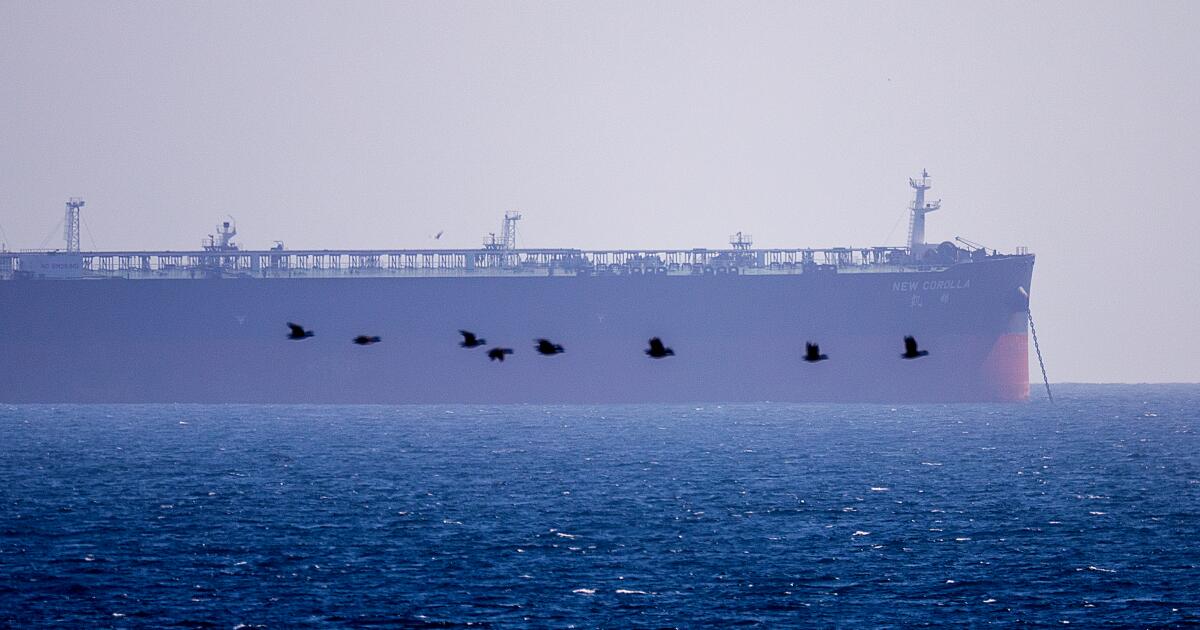

To the editor: Supply chain disruptions don’t stop at the docks. As the Los Angeles Times reported, the price of fuel for cargo ships nearly doubled in L.A. over the past two months and the high prices are expected to continue for some time (“Ships at L.A.’s ports face a fuel shock that’s shaking the economy,” May 8).
Already, the Ports of Los Angeles and Long Beach are each reporting a slight downturn in traffic, leading to predictions of further increases in the prices of consumer goods as higher fuel prices ripple through the supply chain. They’ll reach warehouses, trucks, air and rail lines and all other aspects of how goods make their way from producers to consumers.
The potential impacts are particularly significant because California’s supply chain is a global logistics powerhouse. The state’s supply chain accounts for approximately 830,000 jobs and $660 billion in exports.
With so much at stake, the Supply Chain Federation, a national advocacy group based in California, calls on policymakers, industry leaders and government agencies to work together to strengthen the systems that keep our goods — and communities — moving.
That means finding ways to reduce fuel costs and continuing to invest in improving America’s infrastructure, from building to maintaining roads, bridges, ports and airports across the country and investing in new infrastructure where needed. It also means expanding energy options and avoiding rules that create unintended bottlenecks or cost burdens.
By doing so, we will ensure we are creating a more resilient supply chain before the next disruption, not after it.
Tim Jemal, Santa Ana
This writer is CEO of Supply Chain Federation.

