





Motorists in England and Wales, excluding London, faced a record 2.9 million motoring offences in 2024, with speeding making up the bulk of violations. Home Office data indicates a 9 percent rise from the 2.7 million offences the year before, the highest total since records began in 2011.
Speeding Dominates Violations
Of these offences, 2.5 million—or 86 percent—involved drivers exceeding speed limits, setting another new high. Penalties varied: 51 percent of cases sent drivers to retraining courses, 37 percent received fines, and 12 percent went to court.
The figures exclude London’s Metropolitan Police Service, which uses a separate recording system. That force logged nearly 600,000 motoring offences in 2024, up 19 percent from 2023.
Experts Call for Stronger Action
William Porter, policy and public affairs manager at road safety charity IAM RoadSmart, highlights widespread disregard for speed limits. “We need a renewed focus on enforcement, education and driver behaviour,” he states. “Without decisive intervention, we risk normalising dangerous driving habits that have devastating consequences.”
RAC road safety spokesperson Rod Dennis urges the government to collaborate with police on firm measures against speeding. “While enforcement through speed cameras has its place, greater visibility of police officers can also make a significant difference in changing driver behaviour,” he adds.
Speed Awareness Courses and Reoffending
Most speeding offenders avoid prosecution by completing a speed awareness course, provided they haven’t attended one in the prior three years. These courses cost between £80 and £120.
A Churchill Motor Insurance survey reveals that 31 percent of drivers who took such a course in the past three years got caught speeding again.
Road Safety Impacts and Enforcement Upgrades
Department for Transport data shows speed factored into 59 percent of fatal crashes in Britain in 2024, outpacing all other causes. Kevin Mead, head of Churchill Motor Insurance, warns: “Speeding has a devastating impact on our roads, contributing to countless avoidable collisions, life-changing injuries and needless loss of life.”
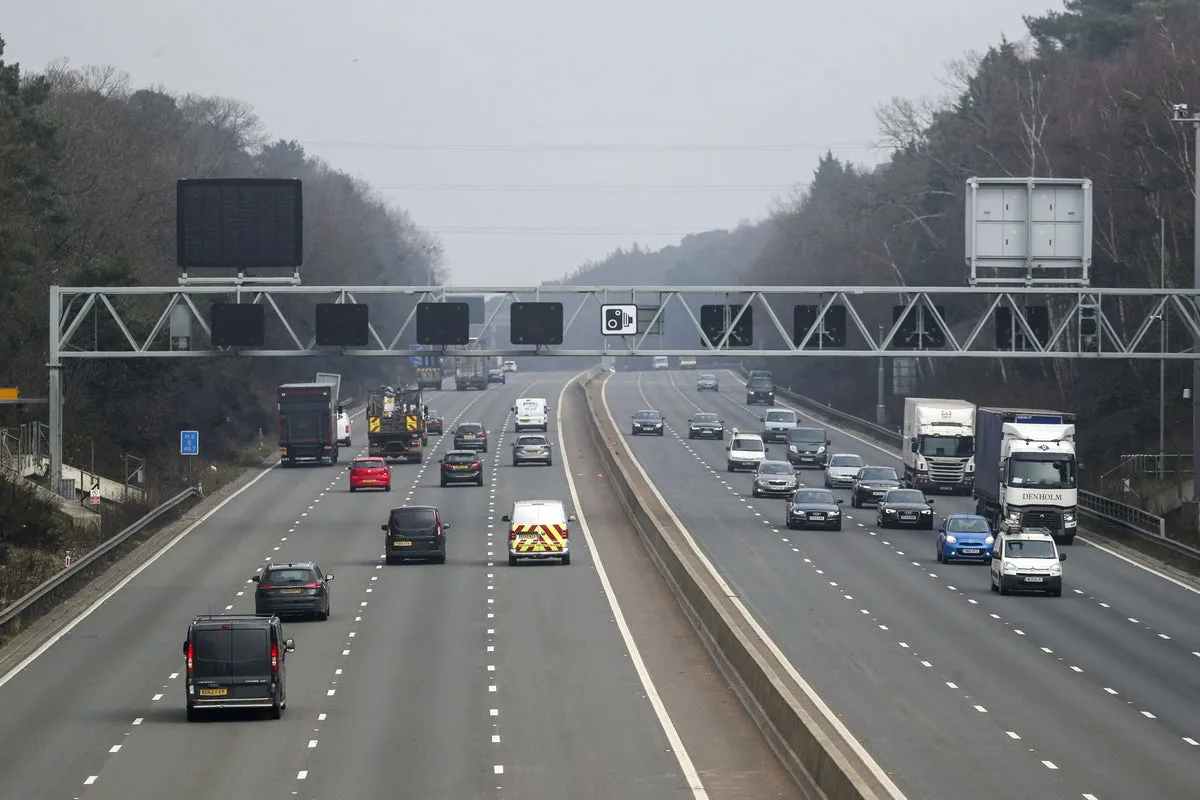
Over 8,000 speed cameras now operate nationwide, boosting detection rates.
Transport for London recently announced a trial with the Metropolitan Police Service for advanced radar-based speed cameras at up to 10 sites. These cameras capture images without a flash, require no road markings, and monitor five lanes in both directions—surpassing older models limited to three lanes. Officials emphasize that upgrading cameras remains vital for consistent enforcement.

