




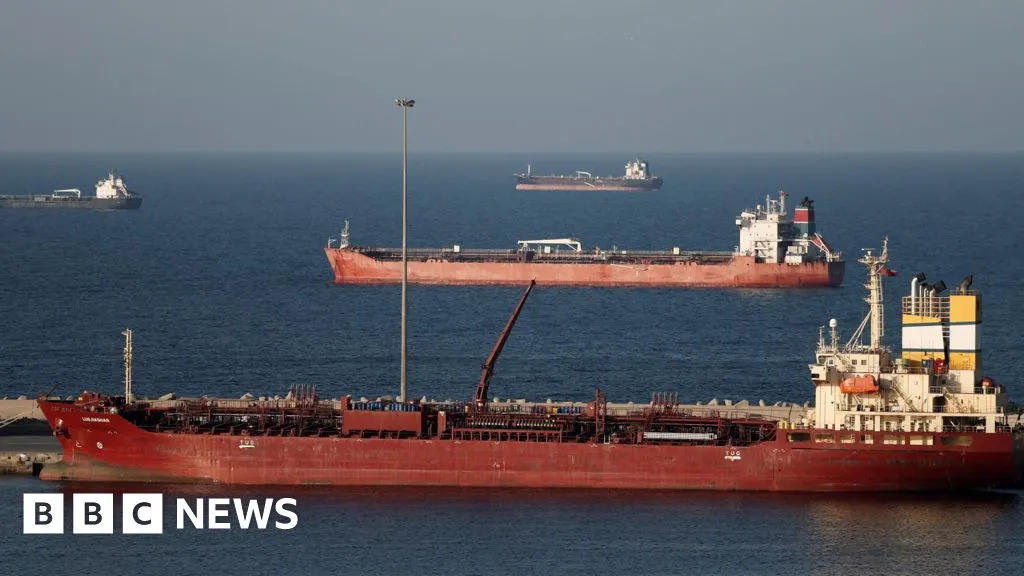

The United Kingdom explores “any options,” including collaboration with the United States and allies, to protect vital oil shipping lanes through the Strait of Hormuz, Energy Secretary Ed Miliband states.
Context of the Crisis
U.S. President Donald Trump recently warned he would reopen the strait “one way or another” and called on nations like China, France, and the UK to deploy warships. Iran’s blockade of this critical waterway disrupts global supply chains and drives up energy prices. Iran’s Supreme Leader Mojtaba Khamenei pledges to maintain the closure as leverage against the U.S.
Nearly 20% of global oil transits the strait daily. As the U.S.-Israel conflict with Iran reaches its third week, multiple vessels face attacks while navigating the narrow passage. Fears mount over Iranian mines obstructing the route.
UK Government’s Position
Miliband emphasizes the strait’s safety as “very important” for shipping. He describes reopening it as a “priority” and highlights contributions like mine-hunting drones. When asked about deploying UK drones or ships, he replies: “You can rest assured that any options that can help to get the strait reopened are being looked at in concert with our allies.”
Miliband stresses that “ending the conflict is the best and surest way to get the strait reopened,” avoiding specifics on operations.
Opposition Perspectives
Liberal Democrat leader Ed Davey opposes sending UK ships, urging focus on “de-escalating” the war. He labels Trump “very reckless” in this “illegal and damaging war” and argues Britain should not follow an American president “who does not seem to know what he is doing.”
Shadow Energy Secretary Claire Coutinho advocates exploring ships or drones if it serves UK interests. She notes reopening shipping lanes and safeguarding overseas military assets align with national priorities. Conservatives, she adds, would have granted U.S. allies faster access to UK bases than the current government.
Economic Impact
Estimates from the U.S. Energy Information Administration indicate about 20 million barrels of oil flow through the strait daily in 2025, equating to nearly $600 billion (£447 billion) in annual energy trade.

