




Keir Starmer faces growing pressure to approve Britain’s largest untapped oil fields amid soaring energy costs triggered by the Middle East conflict. Analysts describe the January economic stagnation as a disappointing start to the year, with GDP showing no growth despite global tensions, including the war in Iran.
Economic Stagnation Raises Recession Fears
The UK economy flatlined in January, heightening concerns of an impending recession as energy shocks from the ongoing conflict intensify. Consumer caution over potential tax hikes and unemployment has already slowed growth in late last year. The Office for Budget Responsibility recently revised its 2026 growth forecast downward to 1.1% from 1.4%.
Yael Selfin, chief economist at KPMG UK, notes that growth remains elusive. “The UK economy started the year on the back foot, and activity is expected to weaken further amid sharply rising energy prices,” she states.
Government Grapples with Energy Crisis
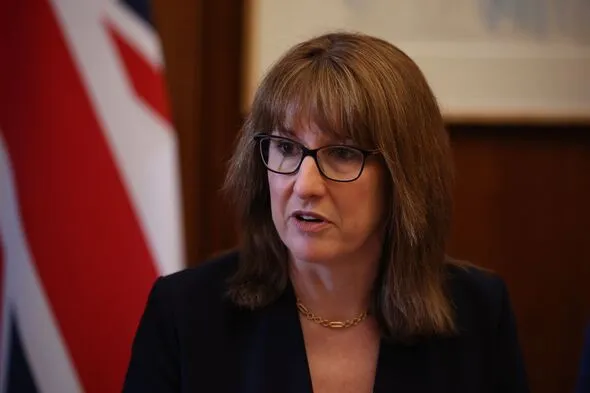
Chancellor Rachel Reeves acknowledges the challenging data amid global uncertainty but maintains confidence in the economic strategy. “Our economic plan is the right one, but I know there is more to do,” she said. Reeves informed MPs that no options are off the table for supporting households and businesses if energy prices stay elevated, with potential revenue directed toward bill relief.
Reeves and Energy Secretary Ed Miliband convened an urgent summit with petrol retailers to address surging fuel prices. Petrol costs are climbing at the fastest rate since the 2022 Ukraine invasion, and household energy caps may rise by hundreds of pounds this summer.
Push for North Sea Developments
Industry leaders and politicians call for swift approval of the Rosebank and Jackdaw gas fields to bolster energy security. Rosebank, the biggest undeveloped field in UK waters, holds about 300 million barrels of oil. Developers estimate Jackdaw could supply gas for 1.4 million homes.
Sir Jim Ratcliffe, Ineos boss, demands a rapid reassessment of North Sea priorities. “Nothing is more important for national security than energy independence,” he warns. “Without a reliable supply of energy, the country is crippled,” especially for hospitals, transport, and essentials like heating.
Shadow Chancellor Sir Mel Stride criticizes current policies, stating Labour’s approach leaves the UK vulnerable. He urges axing fuel taxes, supporting North Sea oil and gas, and outlining plans to reduce the deficit and benefits spending.
Robert Jenrick emphasizes exploiting domestic reserves. “It is economic lunacy to ignore our rich energy reserves,” he declares, pledging unapologetic drilling to restore jobs.
Octopus founder Greg Jackson advocates using available North Sea resources, while Offshore Energies UK campaigns to scrap the 78% windfall tax, which it blames for 1,000 monthly job losses. Miliband has yet to greenlight Rosebank, previously labeling it climate vandalism, though a decision looms.

