





Two teenagers fled the scene after killing four pet ducks with catapults in a backyard enclosure in Dorchester, Dorset, last February. This incident highlights a disturbing rise in similar attacks fueled by viral TikTok videos encouraging youths to target wildlife.
Dorchester Duck Slaughter
Homeowners heard unusual noises from their backyard duck enclosure and discovered three ducks dead from projectile wounds, with a fourth succumbing to severe injuries. Dorset Police suspect catapults as the weapon and are actively seeking the suspects spotted running from the property.
Nationwide Trend Targets Wildlife
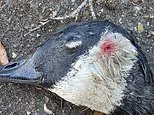
Across the UK, gangs of youths use catapults to shoot animals including foxes, starlings, swans, parakeets, and wood pigeons, often boasting about the acts on social media. Recent cases include a goose fatally shot in the head by youths in southeast London in January and a fox left with a hole in its nose after a catapult strike in the capital.
In Bromley, London, attackers fired ice cubes at wild animals, potentially to destroy evidence as the projectiles melt. Greenwich Wildlife Network launched a petition in January urging government and police action on catapult regulation, which has amassed over 36,000 signatures.
Gruesome Injuries and Expert Warnings
Rae Gellel, Director and Founder of Greenwich Wildlife Network, highlighted the brutality: “All these ice cubes were found on the floor at a location where kids had been seen shooting animals. We did theorise that it could potentially be a way of having less evidence. The injuries are awful. It’s often a nut or a bolt or a battery being fired at an animal at high velocity. That would do damage to a human, but to a small animal like birds with hollow bones, it does catastrophic damage. You’ve got broken bones, you’ve got missing eyes, you’ve got huge gaping wounds. It’s very common for us to see compound fractures where the bone is broken through the skin.”
Near Orpington, London, nearly a dozen wild animals suffered torture and death from catapults, many showing signs of being stunned then finished off. A swan appeared blinded from a head injury, and a pigeon lay dead from fatal wounds in the area earlier this year.
Chris Smith, a volunteer with Greenwich Wildlife Network, reported feeling “physically sick” after reviewing images of 11 animals shot dead in one Bromley incident. The group documented 101 catapult attacks in Bromley, Bexley, and Greenwich in 2024, yet only 13 convictions occurred nationwide.
Smith criticized current laws: “Catapults are classed as a toy. But they can fire projectiles at up to 136 miles per hour. If something can kill an animal outright, shatter bones and destroy eye sockets, how is that a toy?”
Legal and Police Response
Injuring or killing wild birds violates the Wildlife and Countryside Act, carrying up to six months in prison or unlimited fines for offenders. A Metropolitan Police spokesperson emphasized: “Incidents like this are of real concern to people, and we want to reassure them that we are investigating and taking action against offenders.”
Detective Inspector Mark Harrison of the National Wildlife Crime Unit warned: “These crimes are not just causing deaths and horrific injuries to wildlife. There is also a significant risk to people and property in the areas where these crimes are being committed and this normalisation of violence has further consequences as a gateway to other crimes.” The unit plans to target those sharing footage online.

