




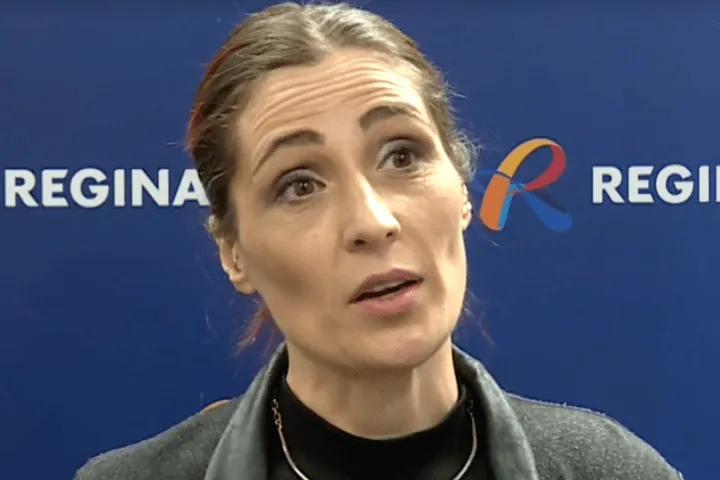

A Regina city councillor has publicly condemned the sexist and degrading comments she faces inside and outside city hall, declaring on social media that she refuses to tolerate it any longer.
“Being called a ‘hot councillor’ isn’t the compliment you think it is; in fact, it’s outright degrading,” stated Sarah Turnbull, Ward 5 councillor in Regina, in a recent Facebook post. She highlighted frequent social media remarks targeting her appearance and family, which her male colleagues rarely encounter. “The most feedback I receive most often has nothing to do with my policy, has nothing to do with parking meters or playgrounds or accessibility. What I hear more is who does she think she is and what does she think she’s wearing?” Turnbull added.
Persistent Harassment in Politics
Turnbull notes these experiences date back to her entry into the councillor role about 18 months ago and even her prior professional life. Over the last year, the volume has intensified. “Now it’s just over the top, and now that it’s more out in the public, people can see it better, but it hasn’t actually changed anything for me,” she said.
Challenges Faced by Women Leaders
Turnbull’s situation reflects a wider trend as more women enter municipal politics. Saskatoon Mayor Cynthia Block, the city’s first female mayor, recalled campaign backlash in fall 2024. “They were basically saying that I shouldn’t be mayor because I’m not married,” Block stated. “There was a lot of dunking by other people after that, not the least of which was the explanation that my husband passed away.”
Harassment against women in local government has surged since COVID-19, discouraging participation and retention, according to advocates. “Without creating safe spaces for women who are bringing great perspective, lived experiences, a unique outlook and perspective in policy development, we risk not having that voice at all,” said Rebecca Bligh, president of the Federation of Canadian Municipalities. She emphasized rising online vitriol: “The online world has really created a different dimension, and we’ve really seen more reported cases of vitriol and harassment.”
Statistics on Women’s Representation
Women comprise about 31% of elected municipal officials across Canada and just 22% of mayors, per a 2023 Federation of Canadian Municipalities report. “That’s pretty bad compared to most countries in the world,” noted Susan Franceschet, a political science professor at the University of Calgary. Saskatchewan lags nationally, with rural areas showing even lower female representation than urban centers.
“There are several aspects of having a political career that can be more challenging, particularly for women who have other caregiving responsibilities,” Franceschet explained. North Battleford Mayor Kelli Hawtin, the first woman in that role, advocates for policies like parental leave to boost inclusion. “Some of those adaptations just help to make more space for women at these tables by understanding our life circumstances might change,” she said, noting her city’s new parental leave policy.
“Who thinks that they’re going to be the mayor if you’ve never seen a girl mayor?” Block remarked, explaining her own unexpected path. Experts like Franceschet stress women’s vital contributions to local issues: “It’s been shown to make a difference in the kinds of services that are provided, what public transportation looks like, all of those sorts of things, safety in their communities.”

