





As brighter days arrive in early March, lawns begin to awaken. Following the wet start to 2026, gardeners should proceed with caution. Saturated soil compacts quickly, promoting moss growth, drainage issues, and sparse turf. Targeted tasks now establish a strong foundation for the season ahead.
Essential Steps to Prepare Your Lawn
1. Assess Ground Conditions
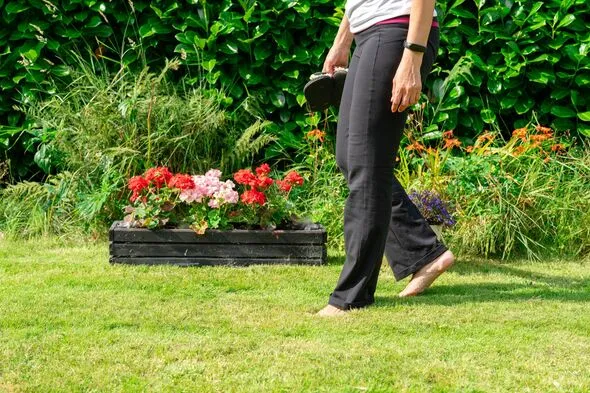
Inspect the lawn surface by walking across it. If heels sink in or footprints remain visible, delay work until drier weather arrives. Disturbing waterlogged turf smears soil and expels air from roots. When crossing wet areas, lay boards to distribute weight and restrict pet and foot traffic on soggiest spots.
2. Perform a Gentle Cleanup
During dry periods, gather leaves and branches, then lightly rake with spring-tine tools. This raises matted grass, clears debris, accelerates drying, and extracts excess moss from winter wetness. Skip aggressive scarifying on soft ground to prevent tearing and patchiness.
3. Aerate Compacted Zones
Target puddles and high-traffic paths when soil feels damp but not soaked. Insert garden forks 10-15cm deep, spacing holes a fork-width apart, and rock to widen them. Focus on entrances, clotheslines, and worn paths to enhance drainage and encourage deeper roots.
4. Execute the Initial Mow
Once the surface supports a mower without ruts, deliver the first cut. Raise blades to 35-40mm, ensure sharpness, and trim no more than one-third of the height. While equipped, refine edges with shears or a half-moon edger for a neat border that curbs grass invasion.
5. Apply Fertilizer and Repair Bare Spots
Introduce spring feed later in March as growth accelerates, applying lightly on tender turf and watering only if dry. For thin patches, lightly score soil, sow seed in milder conditions, press firmly, and maintain moisture until germination.
6. Considerations for New Lawns
Lay fresh turf in autumn or spring, avoiding frozen or flooded ground. When soil crumbles underfoot, install, water deeply in dry spells, and sustain moisture until established. Patience with wet conditions ensures optimal results.
Spotlight: Heuchera for Vibrant Borders
Heuchera thrives in early March, providing colorful foliage while perennials dormant. Varieties feature lime, copper, burgundy, or near-black leaves with bold veins. Evergreen or semi-evergreen mounds fill beds effectively.
Position in partial shade or dappled light for peak color; sun-tolerant types succeed with consistent moisture. Ensure good drainage, vital post-wet winters—amend heavy clay with compost and grit. Containers work well with free-draining mix and clear holes.
Inspect crowns for winter lift; reposition if exposed and mulch lightly, avoiding the center to deter rot. Trim damaged leaves gently. Recommended: ‘Lime Marmalade’ for shade vibrancy, ‘Palace Purple’ for bulb contrast, ‘Caramel’ for warm borders. Known as coral bells, it later produces delicate flowers on slender stems.
Five Additional March Gardening Tasks
- Sow hardy annuals like cornflower, calendula, and nigella in modules under cover for sturdy gap-fillers by late spring. Use a cool greenhouse, frame, or sunny sill.
- Examine cane toppers and ends near paths, beds, and play zones. Replace split or missing ones to enhance visibility and safety.
- Inspect boundary plants, young trees, and staked items for tight ties. Loosen constrictions, add spacers, and renew worn ties to prevent bark damage.
- Replenish raised beds with compost-topsoil blends where levels dropped. Rake smooth, remove debris, and leave slightly rough in wet weather to avoid crusting.
- Relocate overwintered ferns cautiously. Remove dead fronds, acclimate gradually in shelter, and protect from late frosts.
Quick Gardening Facts
- Genetic variations in odor receptors reduce ‘violet’ scent detection for many, rendering it faint or undetectable.
- Scientists identify about 73,000 tree species globally, with roughly 9,000 more undiscovered, mostly in tropical hotspots.
- Clover enriches lawns as a nitrogen-fixing legume via root bacteria, cutting fertilizer needs.
- Bees reduce nectar moisture to 16-18% before capping with wax, preventing fermentation for long-term preservation.

