By using this site, you agree to the Privacy Policy and Terms of Use.
Accept
Scoopico
  • Home
  • U.S.
  • Politics
  • Sports
  • True Crime
  • Entertainment
  • Life
  • Money
  • Tech
  • Travel
Reading: Rare 2,000-year-old treasure unearthed by metal detectorists in Wales: “We were astonished”
Share
Font ResizerAa
ScoopicoScoopico
Search

Search

  • Home
  • U.S.
  • Politics
  • Sports
  • True Crime
  • Entertainment
  • Life
  • Money
  • Tech
  • Travel

Latest Stories

Have good taste? It may just get you a job during the AI jobs apocalypse, says Sam Altman
Block’s layoffs should be a wake-up call on AI and jobs
“No fear for us” – Chelsea send message to PSG after drawing Ligue 1 giants in UCL Round of 16
Want screen time without the guilt? This app was built for that
Montana Road Trip: Glacier Country
Have an existing account? Sign In
Follow US
  • Contact Us
  • Privacy Policy
  • Terms of Service
2025 Copyright © Scoopico. All rights reserved
Rare 2,000-year-old treasure unearthed by metal detectorists in Wales: “We were astonished”
News

Rare 2,000-year-old treasure unearthed by metal detectorists in Wales: “We were astonished”

Scoopico
Last updated: February 27, 2026 7:47 pm
Scoopico
Published: February 27, 2026
Share
SHARE


Contents
More from CBS NewsGo deeper with The Free Press

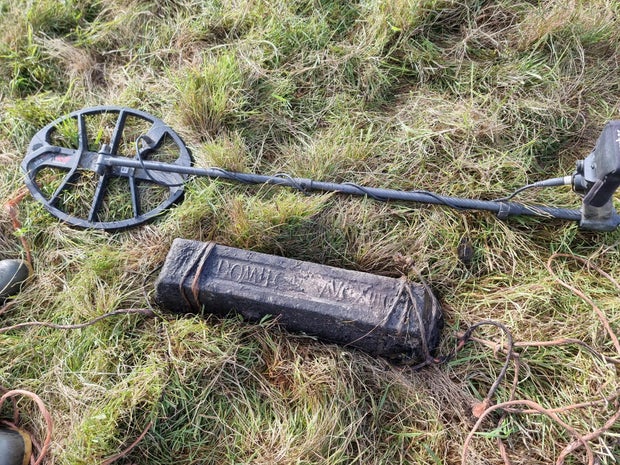
Metal detectorists in western Wales found two lead ingots that date back to the Roman era, a Welsh museum said Tuesday. The pieces are the first of their kind to be found in the region. 

Metal detectorists Nick Yallope and Peter Nicolas found the pieces while searching land owned by farmer Geraint Jenkins in Ceredigion, according to a news release from Welsh national museum Amgueddfa Cymru. The pair had permission to search and dig on the land. 

Ceredigion is a coastal area with Celtic heritage. Museum curator Carrie Canham said its “rich mineral and ore deposits” were a major reason the Romans sought to conquer this area.” Lead mined in Ceredigion during the Roman era spread across the empire, she said. 

The ingots, also known as lead “pigs,” were used to produce tools and weapons, according to CBS News partner BBC News. They date back to AD 87, based on lettering written on them, the museum said. During that time, Rome was ruled by Emperor Domitian, who was known for empire building, the BBC reported. 

The two lead ingots. 

Alex Martin / Amgueddfa Cymru


In 2005, archaeologists found the remains of a Roman lead smelting site in a peat bog in Ceredigion. Nearby mines may have supplied the lead, the BBC reported at the time, and the metal may have been transported throughout the Roman empire. 

The pieces were found on grazing land about 18 inches deep. The pieces were less than six feet apart from each other, the museum said. 

“I feel incredibly proud to have uncovered something so rare and important to our local heritage. Unlocking a new chapter of our area’s past, is incredibly exciting,” Yallope said in the museum’s news release. 

“It’s remarkable to think that land we now farm organically once played a role in a much wider Roman landscape,” Jenkins said. 

erglodd-discovery-2024-c-nick-yallope-peter-nicolas-4.jpg

Lead pig found by Nick Yallope and Peter Nicolas after being dug out of ground

Nick Yallope and Peter Nicolas


The pieces will be displayed in a new archaeology gallery opening at the Amgueddfa Ceredigion museum in spring 2027, Canham said. 

Metal detectorists in Wales need permission to explore private land, and any items that are believed to be treasure must be reported to the country’s Portable Antiquities Scheme. The organization then examines the items to determine their value. 

Between 2020 and 2022, a hoard of Bronze Age artifacts including axes, spearheads, rings and a sword scabbard were discovered by metal detectorists in Wales. Those artifacts were declared treasure by the government in 2023.

More from CBS News

Go deeper with The Free Press

In:

[/gpt3]

Gulf states pushing to avert U.S.-Iran battle, official says
Kenya: Multi-storey constructing collapses in Nairobi, with 4 individuals believed to be trapped
Crowd goes wild at ‘Silent Night time’ basketball sport
How ‘nudify’ website stirred group of associates to battle AI-generated porn
These 7 phrases make you sound like ‘an obnoxious American’ touring overseas
Share This Article
Facebook Email Print

POPULAR

Have good taste? It may just get you a job during the AI jobs apocalypse, says Sam Altman
Money

Have good taste? It may just get you a job during the AI jobs apocalypse, says Sam Altman

Block’s layoffs should be a wake-up call on AI and jobs
News

Block’s layoffs should be a wake-up call on AI and jobs

“No fear for us” – Chelsea send message to PSG after drawing Ligue 1 giants in UCL Round of 16
Sports

“No fear for us” – Chelsea send message to PSG after drawing Ligue 1 giants in UCL Round of 16

Want screen time without the guilt? This app was built for that
Tech

Want screen time without the guilt? This app was built for that

Montana Road Trip: Glacier Country
Travel

Montana Road Trip: Glacier Country

Neil Sedaka, singer whose hits included “Laughter in the Rain,” dies at 86
U.S.

Neil Sedaka, singer whose hits included “Laughter in the Rain,” dies at 86

Scoopico

Stay ahead with Scoopico — your source for breaking news, bold opinions, trending culture, and sharp reporting across politics, tech, entertainment, and more. No fluff. Just the scoop.

  • Home
  • U.S.
  • Politics
  • Sports
  • True Crime
  • Entertainment
  • Life
  • Money
  • Tech
  • Travel
  • Contact Us
  • Privacy Policy
  • Terms of Service

2025 Copyright © Scoopico. All rights reserved

Welcome Back!

Sign in to your account

Username or Email Address
Password

Lost your password?