




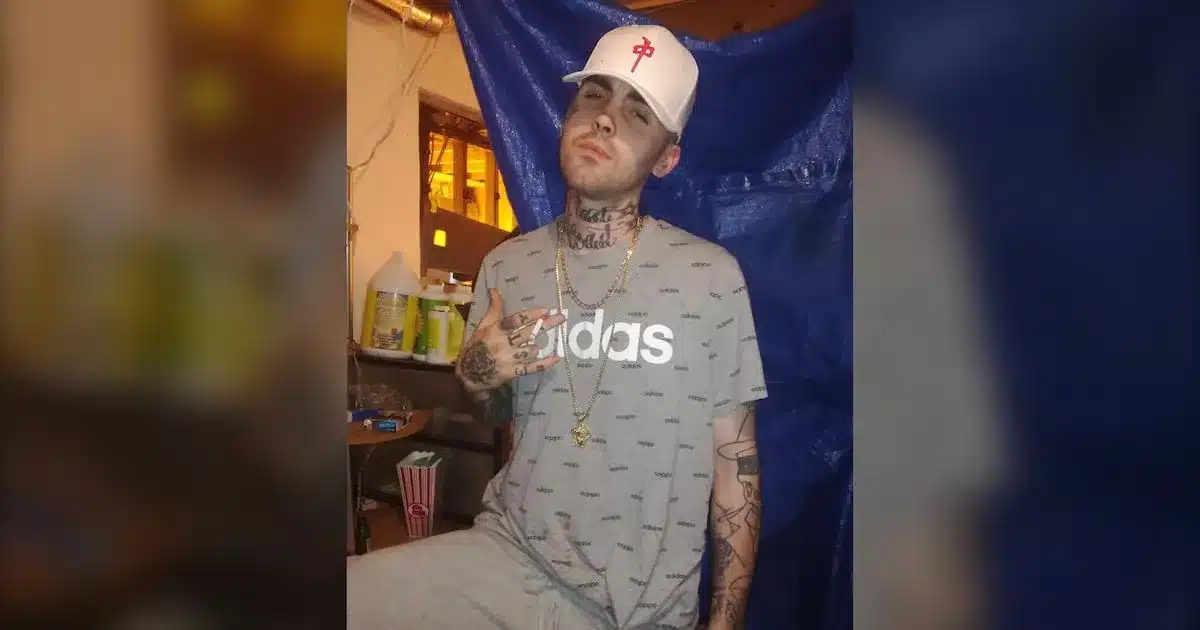

The jury in Janson Baker’s double-murder trial hears closing arguments from the defense on Wednesday morning. Justice Cameron Gunn informs the panel, “You’re going to hear from both sides.”
Defense Attorney Stresses Major Decision Ahead
Defense lawyer Brian Munro tells jurors that the trial nears its end, but they face one of life’s biggest choices in the days ahead. “It’s going to stick with you,” Munro states in the Moncton, N.B., courtroom. He thanks the jury for enduring a tense atmosphere filled with graphic details and photos of the horrific crime. “This is a pressurized environment. It’s not a movie set. It’s not a TV show,” Munro emphasizes. “It’s a solemn occasion.”
Munro reminds jurors of the heavy burden they carry to reach the correct verdict. “Bernard Saulnier was brutally killed. Rose-Marie Saulnier was brutally killed,” he says, urging close examination of the evidence. “If you do that, you’ll find Janson Baker not guilty of both offences.”
Baker faces two counts of second-degree murder for the deaths of 78-year-old Bernard Saulnier and 74-year-old Rose-Marie Saulnier. The couple suffered fatal headshots inside their Dieppe, N.B., home on September 7, 2019. Baker testified last week, repeatedly denying involvement in the killings.
Lack of Forensic Evidence Central to Defense
“You have to have proof beyond a reasonable doubt. If you don’t have it, not guilty,” Munro instructs the jury. His arguments focus heavily on missing forensic links to Baker.
“Where’s the proof? Where’s the proof that he was in that house that night?” Munro challenges. “You won’t find it.”
Zack Trevors, a friend of Baker’s, testified that Baker drove him to the Saulniers’ home in a silver Hyundai Sonata on the morning of the murders. Trevors claimed he saw Baker enter the house, followed by screams and gunshots. Munro points out the absence of blood splatter or DNA in the vehicle after police examination. “It’s not there,” he notes. Apart from Trevors’ account, no evidence places Baker in the car at the time of the crimes.
Prosecutors presented photos of Baker wearing a gold chain at 4:30 a.m. that morning; court learned a similar chain was stolen from Bernard Saulnier. Munro dismisses this as insufficient. “Just because the photos were taken at 4:30 a.m. and [Baker] looks stoned in them, it doesn’t mean he killed the Saulniers,” he argues. “That’s not enough. That’s not proof of anything.”
Investigators thoroughly processed the Amirault Street crime scene, yet Munro asserts, “There’s no physical evidence of any kind against Janson Baker in this case.”
J-Trilogy Raids and Suspect Connections
On August 28, 2019, RCMP raids targeted five properties in New Brunswick, mainly around Moncton, as part of Operation J-Trilogy. Authorities arrested Jesse Logue on weapons and drug charges. Munro discusses Logue, his girlfriend Monique Boyer, Nick Bain, and Chris Lennon—names that surfaced repeatedly in trial testimony, including jailhouse recordings and Facebook messages about the raids.
Sylvio Saulnier, son of the victims, owned a Moncton duplex hit in the operation. Logue’s group suspected Sylvio of being a police informant. “They were big-time players in the province of New Brunswick,” Munro describes, highlighting their violent histories. “This group were prepared to kill. These people don’t fool around.”
Baker has no ties to Logue, Lennon, or Boyer, though he knew Bain through drug sales—a strictly business relationship, per Baker’s testimony.
Questions Over Key Witnesses
Munro advises jurors to weigh testimony selectively from the eight-week trial. “When it comes to Zack Trevors, reject all of it. It’s not believable,” he urges, citing Trevors’ violent background and undisclosed ties to Bain via messages.
Another witness, protected by a publication ban, claimed Baker confessed to the murders while incarcerated together. Munro deems him unreliable, citing inconsistencies and credibility issues. “There’s all kinds of baggage with him.”
The defense portrays the killings as an execution-style hit beyond Baker’s capabilities. “It takes a certain kind of evil monster to do this. Mr. Baker is not an evil monster,” Munro declares. He warns against trial pressures and insists prosecutors fail to prove guilt beyond reasonable doubt.
Baker attends court in a grey jacket and tie, supported by family including his mother. The victims’ friends and relatives, present daily since January 6, fill the opposite side. Prosecutors deliver their closing arguments Wednesday afternoon.

