




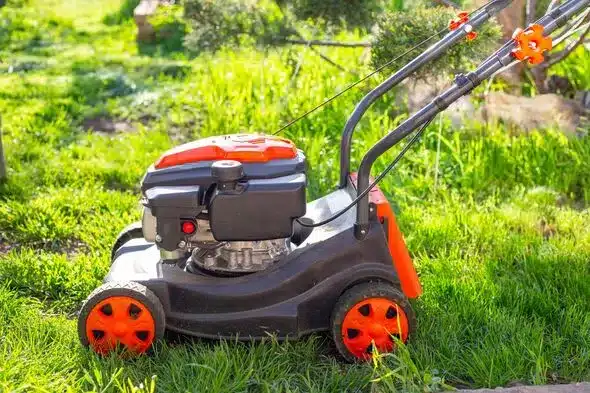

Unpredictable UK weather leaves many gardeners uncertain about the ideal moment to resume lawn mowing. Analysis of Met Office data from the past two years reveals mid-March 2026 as the prime window for the season’s first cut, when conditions typically support grass growth.
Grass requires soil temperatures above 7°C to thrive, a threshold often reached by mid-March according to horticultural guidelines.
Key Factors for Optimal Timing
Nick Ee, a product training manager, highlights that multiple elements influence mowing schedules across the UK, but data points to mid-March as a solid starting point. “Whilst there are many contributing factors that play into the optimum time to mow a lawn here in the UK, our research shows that the middle of March is likely a good time to start,” he stated.
Ee recommends monitoring local forecasts closely, given the rapid weather shifts. “However, I’d urge everyone to keep checking their local forecasts beforehand, as we know how quickly the weather can change,” he added. Rain, frost, and wind also demand caution, as spring often brings unexpected chills.
Risks of Mowing in Poor Conditions
Certain weather poses hazards to lawns and equipment. Ee warns against cutting wet grass, which clumps, causes uneven cuts, clogs mowers, and tears blades, increasing disease risk. “Wet grass clumps together, leading to an uneven cut and clogs in the lawnmower. It can also tear rather than cut cleanly, making grass vulnerable to disease,” he explained.
Moisture further damages tools by promoting rust on blades and clogging decks, which shortens lifespan and impairs performance. “In terms of damage to equipment, moisture can cause rust on mower blades and clog the deck, reducing its overall performance and lifespan,” Ee noted.
Gardeners should avoid mowing during frost, freezing temperatures, or high winds to prevent lawn stress and safety issues.

