




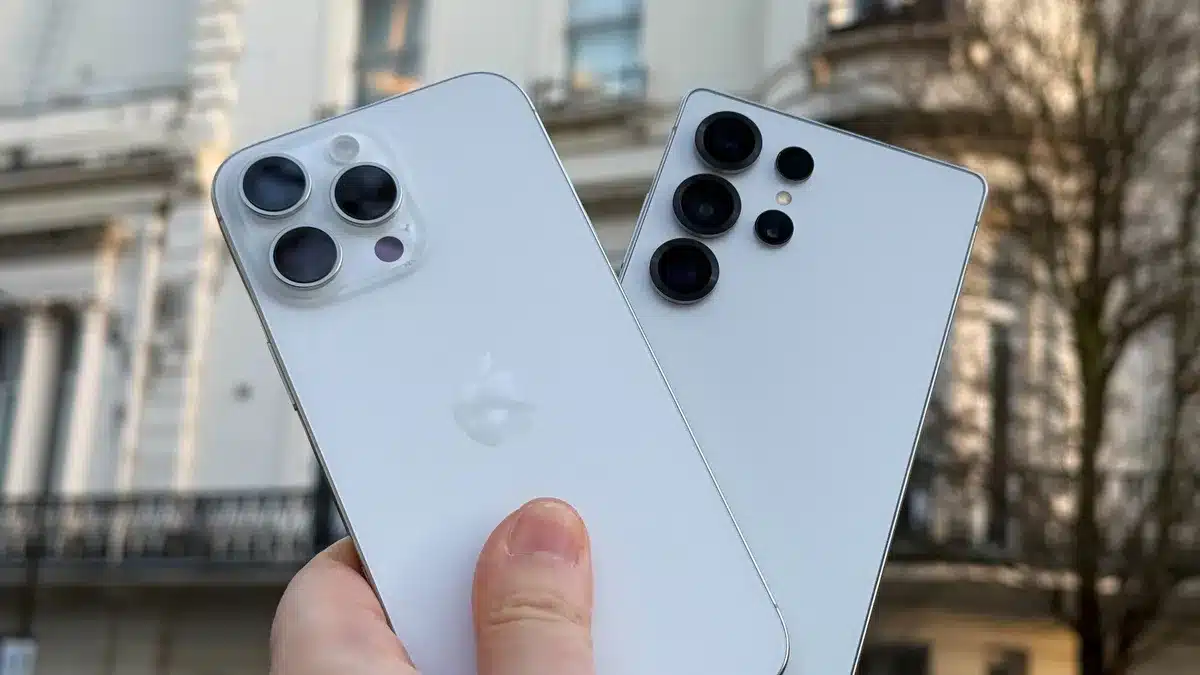

Smartphones today deliver incremental updates rather than revolutionary leaps, making it harder to justify frequent upgrades. Recent discussions highlight a shift in user habits, as devices from two or three years ago hold up remarkably well in everyday use.
Typical Upgrade Patterns
Many users follow a two- to three-year cycle, often aligned with carrier contracts. However, with modern phones offering robust performance, cameras, and battery life, models like the iPhone 15 Pro or Samsung Galaxy S23 Ultra remain competitive against the latest flagships.
What Drives Your Upgrade?
Declining battery health tops the list of reasons to switch for most. Beyond that, core features satisfy ongoing needs, reducing the urge for annual changes. Analysis suggests average consumers could extend device lifespans to three or four years without missing key advancements.
Environmental Impact
Frequent upgrades contribute to e-waste and strain rare-earth material supplies. Extending phone use helps mitigate these issues, promoting sustainability in tech consumption.
A Smarter Release Strategy
Brands like Nothing exemplify restraint by skipping annual flagships unless they introduce meaningful innovations. This approach aligns with growing user preferences for longevity over novelty.
Share your experience: How long do you keep your smartphone? What factors prompt an upgrade? Drop details in the comments below to reveal real-world trends.

