




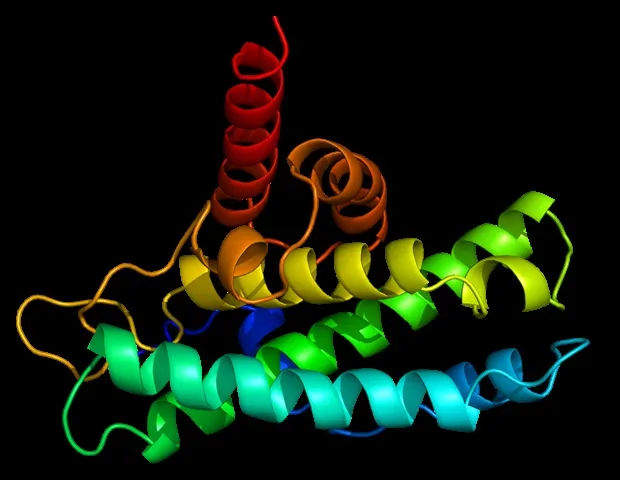

The brain orchestrates complex functions like memory formation and movement coordination through precise protein production in its cells. Measuring this process, called translation, across diverse brain cell types has long posed challenges. Researchers have now introduced Ribo-STAMP, a technology that uncovers protein synthesis in individual brain cells.
First Comprehensive Maps of Mouse Hippocampus
In a study published in Nature today, the team applied Ribo-STAMP to profile nearly 20,000 individual cells in the mouse hippocampus, a key region for learning and memory. “This gave us an entirely different angle to look at the hippocampus, and we found a lot of new and exciting things,” states Giordano Lippi, associate professor and co-leader of the study. “This sort of foundational work is needed to eventually understand what goes wrong at the onset of brain diseases.”
“We think this technology will let the field revisit whether neurological conditions—including autism spectrum disorder, fragile X syndrome, and tuberous sclerosis complex—are caused by defects in translation,” adds Gene Yeo, professor and co-senior author.
Bridging the Gap Between mRNA and Proteins
Cells convert DNA into messenger RNA (mRNA), which ribosomes then translate into functional proteins. While RNA levels often serve as a proxy for protein production, brain cells show a significant mismatch. Neurons store mRNA in their extended dendrites, producing proteins on demand rather than immediately.
“It’s been difficult to measure mRNA translation in single cells, despite the field of single cell transcriptomics expanding across tissues, conditions and diseases,” notes Yeo. “We developed this technology in hopes that it will lead to a more complete picture.”
How Ribo-STAMP Works
Ribo-STAMP fuses an editing enzyme to ribosomes. As ribosomes translate mRNA into proteins, the enzyme modifies the RNA nucleotides. Standard RNA sequencing then identifies these changes, revealing actively translated mRNAs.
Applied to the brain for the first time, the method confirmed poor correlations between gene activation and protein production in distant neuronal arms. Focusing on the well-studied hippocampus allowed verification of results.
Key Findings Reveal Cellular Differences
Analysis of nearly 20,000 cells uncovered surprising patterns. Notably, CA3 pyramidal neurons—vital for memory—exhibited far higher protein production rates than CA1 pyramidal neurons, despite overlapping roles. This highlights distinct translation dynamics in memory circuits.
Researchers, including co-first authors Samantha Sison and Eric Kofman, and Federico Zampa, found that mRNA isoforms from the same gene vary in translation efficiency. Isoforms with longer regulatory regions translated at higher rates in hippocampal neurons. “Previous work has shown how changes in isoform expression strongly correlate with neurological disorders, but the reason behind that hasn’t been well-understood,” explains Lippi. “Our work suggests that if cells prefer one isoform over another, they may actually be changing protein levels.”
Individual neurons also toggled between “high” and “low” translation states. High-state neurons prioritized proteins for synaptic communication and energy metabolism, potentially marking more active cells.
Opening Doors to Disease Insights
The resulting translatome dataset—the complete profile of translated mRNAs—lays groundwork for understanding healthy brain protein coordination and disease disruptions. This advance promises deeper exploration of translation defects in neurological conditions.

