




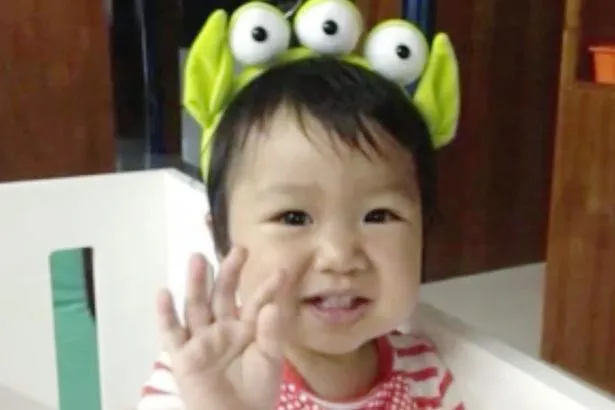

A Thai couple, both medical engineers, turned to cryonics to preserve their two-year-old daughter’s brain after she succumbed to a rare, aggressive brain cancer. Matheryn Naovaratpong, affectionately called Einz, underwent extensive treatments but passed away on January 8, 2015, just shy of her third birthday.
Intensive Battle Against Rare Brain Cancer
Einz received a diagnosis of the aggressive brain tumor shortly after her second birthday. Over the following months, she endured 10 surgeries, 12 rounds of chemotherapy, and 20 rounds of radiation therapy. Despite these aggressive interventions, the cancer relentlessly progressed, leaving conventional medicine powerless to halt its advance.
In her final days, Einz remained in a single hospital room, sustained by intravenous support, as her parents, Sahatorn and Nareerat Naovaratpong, confronted the devastating reality of her impending loss. Surrounded by family, she took her last breath at home.
The Cryonics Decision and Preservation Process
Determined to offer Einz a potential future, her parents arranged for cryogenic preservation of her brain—the youngest such case on record. Cryonics involves cooling the body to prevent decay, awaiting future technological breakthroughs that could revive and restore it.
As Einz’s condition worsened, a U.S. team stood ready in her isolated hospital room. Upon her death, they swiftly initiated cooling and performed cryoprotection, replacing bodily fluids with antifreeze solutions to minimize tissue damage during freezing.
Her remains were transported to the Alcor Life Extension Foundation in Arizona, where technicians extracted her brain. It now resides in storage at a constant -196°C, preserved for possible revival with a new body if cures for her cancer and revival technologies emerge.
Family’s Scientific Faith and Emotional Journey
Sahatorn and Nareerat, parents to four children conceived through IVF—Einz included—view science as key to both creating and potentially resurrecting life. Sahatorn stated, “As scientists, we are 100 percent confident this will happen one day—we just don’t know when. In the past, we might have thought it would take 400 to 500 years, but right now, we can imagine it might be possible in just 30 years.”
From the onset of Einz’s illness, Sahatorn grappled with the idea, influenced by his Buddhist beliefs. He shared, “The first day Einz was sick, this idea came to my mind right away that we should do something scientifically for her, as much as is humanly possible at present. I felt a real conflict in my heart about this idea, but I also needed to hold onto it.”
The family initially hesitated but supported the plan as her health declined. Sahatorn and Nareerat plan their own preservation at Alcor, though they accept reunion may not occur in their lifetimes. Sahatorn added, “We still feel our love for her. Although we fought to be strong, when she had passed away, we were no different from other families; we cried every day. We still need time to heal.”
Documentary Highlights Family’s Story
The family’s extraordinary journey features in the 2019 award-winning documentary Hope Frozen, directed by Pailin Wedel and available on Netflix. Wedel noted, “It brings together philosophical thought, science, religion, and powerful emotion in one film. It doesn’t just allow the audience to reflect on their own beliefs; it also makes us consider where we’d like society to head as technology advances at this incredible pace.”

