




The Origins of Groundhog Day
Community members across North America gather annually on February 2 to celebrate a unique weather-predicting tradition rooted in Pennsylvania Dutch folklore. This ethnic group of German descent brought superstitions suggesting that a groundhog emerging from hibernation could forecast seasonal changes.
How the Weather Prediction Works
Observers note that if the rodent sees its shadow upon emerging, six additional weeks of winter weather are expected. When no shadow appears, forecasts suggest an early spring arrival. While similar animal-based traditions exist worldwide, this Pennsylvania custom remains the most recognized version.
Punxsutawney Phil’s Ceremonial Role
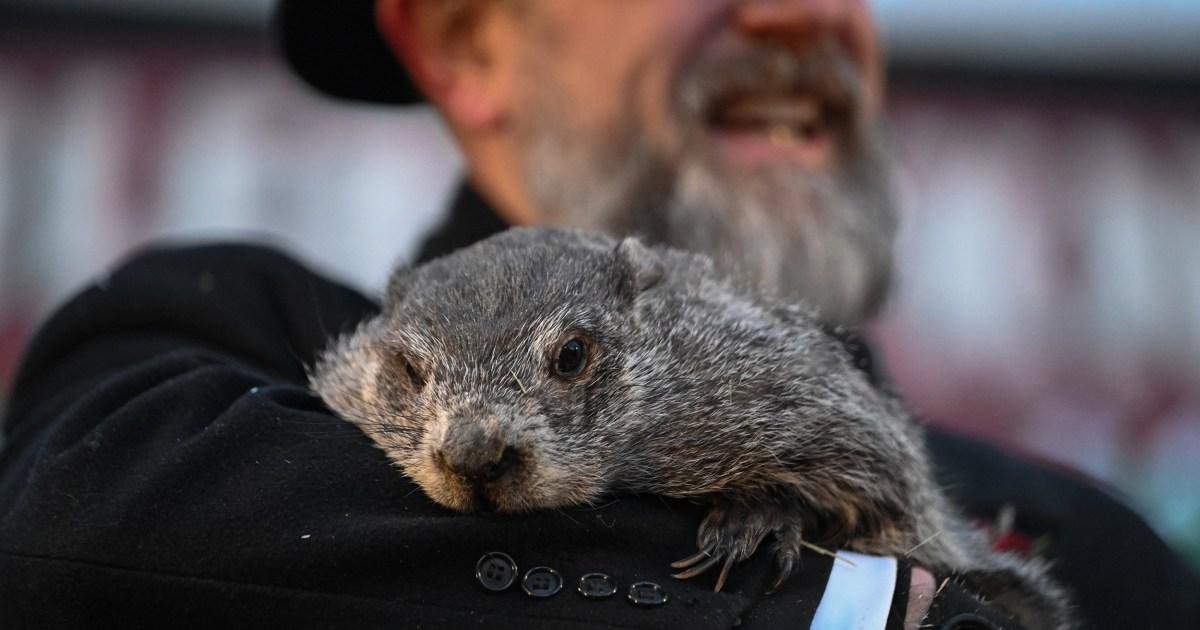
The town of Punxsutawney, Pennsylvania hosts the most prominent Groundhog Day celebration featuring their namesake prognosticator. According to event organizers, the same groundhog named Phil has participated in the ceremony for over a century through a special longevity elixir administered annually.
The Annual Ritual Explained
Each February 2 at Gobbler’s Knob, handlers dressed in formal attire retrieve Phil from his burrow. Organizers claim the groundhog communicates his weather prediction through sounds and movements in “Groundhogese,” which the Inner Circle president interprets for the assembled crowd.
2026 Weather Forecast
This year’s ceremony concluded with Phil seeing his shadow, signaling six more weeks of winter weather according to tradition. Historical records show this represents the groundhog’s most frequent prediction, with approximately 80% of outcomes favoring extended winter conditions since record-keeping began in 1887.
Cultural Impact Beyond Meteorology
The 1993 film “Groundhog Day” starring Bill Murray brought international attention to the tradition. The comedy depicts a weatherman trapped in a time loop while covering the Punxsutawney event, creating a cultural reference point that persists decades after its release.
Organizers encourage visitors to experience the unique celebration firsthand or participate through local viewing events across North America every February 2.

