





New Insights into Evolutionary Purpose of Homosexual Behavior
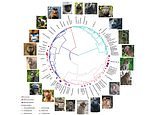
New research suggests same-sex behavior in primates may have evolved as an adaptive strategy to strengthen group cohesion during environmental challenges. Analysis of 491 non-human primate species reveals that homosexual activity occurs most frequently in species facing ecological pressures like resource scarcity, predator threats, or harsh climates.
Study Methodology and Key Findings
The comprehensive analysis examined behavioral patterns across primate species, identifying 59 distinct groups exhibiting same-sex sexual behavior (SSB). Researchers observed SSB prevalence correlates strongly with three key factors: complex social structures, significant sexual dimorphism, and challenging environmental conditions.
“These findings suggest same-sex behavior serves important social functions,” stated Professor Vincent Savolainen, lead researcher on the project. “When ecological pressures increase, social bonding mechanisms become critical for group survival.”
Social Bonding Hypothesis
The study proposes that SSB helps establish trust and cooperation within primate groups, particularly in dangerous environments where coordinated responses to predators are essential. Species exhibiting SSB showed tendencies toward:
• Enhanced group cohesion in harsh habitats
• More sophisticated communication systems
• Longer average lifespans compared to species without SSB
Researchers emphasize these behaviors likely developed independently across multiple evolutionary lineages rather than originating from a single common ancestor.
Broader Implications Across Species
While focused on primates, the study notes parallel findings in other animal groups. Marine biologists have documented similar same-sex bonding behaviors in dolphin pods facing food shortages. Entomologists observe male burying beetles engaging in SSB when female partners are scarce, potentially to maintain mating readiness.
Current scientific records confirm same-sex behavior in over 1,500 animal species, challenging previous assumptions that such behavior represented mating errors or anomalies. The research team cautions against direct human application, noting their findings specifically address non-human primates.
Future Research Directions
Researchers plan to investigate whether SSB directly improves survival rates in rhesus macaque populations. Additional studies will examine potential genetic components, building on previous findings suggesting approximately 6.4% heritability of SSB tendencies in certain monkey species.
Evolutionary biologists continue debating SSB’s role in natural selection. Some theorize non-reproductive animals may enhance genetic transmission indirectly through supporting relatives’ offspring. Others suggest SSB could serve as practice for reproductive behaviors or social negotiation.
The study appears in the latest issue of Nature Ecology & Evolution, contributing to growing scientific consensus that homosexual behavior represents a natural adaptive strategy across multiple species.

