




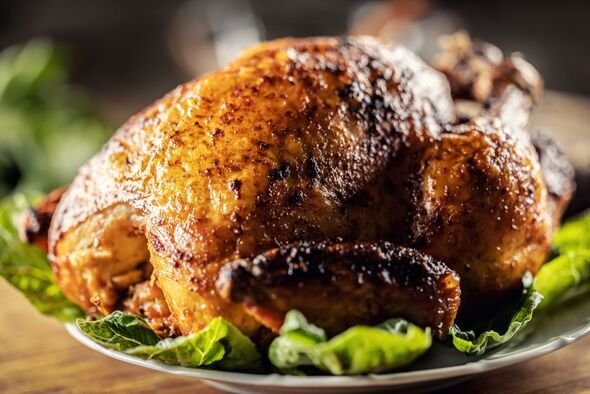

Achieving that irresistible crunch on roast chicken skin elevates the entire dish, pairing perfectly with juicy, tender meat underneath. While methods vary among professionals, a consensus emerges from consulting eight chefs and food experts: seasoning the chicken the night before cooking is essential for superior crispiness.
Preparation: The Key to Crispy Skin
Start by generously salting the chicken ahead of time to draw out moisture and enhance texture. Jamie Newman, executive chef at Croeso Pubs, recommends salting the bird the day before for extra-crispy results, noting it may slightly intensify the gravy’s saltiness.
Marissa Stevens, recipe developer and founder of Pinch and Swirl, has refined her technique over 15 years of roasting chickens. She rubs herb-infused salt over the entire bird, including the breast, legs, and thighs, followed by freshly ground black pepper. The chicken then rests uncovered in the refrigerator for 12 to 24 hours, yielding exceptionally crispy skin.
Maggie Turansky, founder and head recipe developer at No Frills Kitchen, echoes this approach, using about 2 teaspoons of salt sprinkled generously. She refrigerates the uncovered chicken for a few hours up to 24, which dries the skin and promotes crispiness while retaining moisture.
Kyle Taylor, founder and chef at He Cooks, emphasizes heavy salting and overnight refrigeration without covering. Even a few hours helps if time is limited, but he warns against foil, as it traps moisture and hinders crispness.
Drying the skin thoroughly is another critical step. Michael Forbes, kitchen expert at AEG, advises patting the chicken dry inside and out, then letting it sit uncovered at room temperature for 20-30 minutes. This removes surface moisture, allowing the skin to brown quickly and form a golden, crispy layer.
Ruben Ruggier, executive chef at InterContinental New York Barclay, takes it further by injecting a 5% salt brine into the meat for even seasoning. He air-dries the chicken uncovered in the fridge for 1-2 days to maximize skin crispiness.
Richard Turner, former founding chef at Hawksmoor and co-founder of Turner & George, begins with a brine of salty, lemony, herby water overnight to tenderize and moisten the meat. After patting dry, he air-dries it uncovered in the fridge for 24 hours, resulting in golden, crispy skin.
David Colcombe, chef director and ambassador for Maple from Canada UK, seasons simply with salt, pepper, and fresh herbs like thyme and rosemary. He adds a rub of maple syrup on the skin for subtle sweetness and caramelization.
Cooking Techniques for Optimal Results
Once prepped, roasting methods focus on high heat to crisp the skin without drying the meat. Ruben Ruggier employs a two-stage process: low heat at 135°C (275°F) to cook the interior gently, followed by high heat at 275°C (500°F) to crisp the skin. He rests the chicken between stages and finishes with another high-heat blast for ultimate crackle.
Private chef Chuck Hayworth starts at a high 230°C (450°F) for 15 minutes uncovered to crisp the skin, then reduces to 190°C (375°F) until done, avoiding foil to prevent steaming.
Richard Turner preheats to 200°C (390°F), brushes with butter, and seasons. He roasts for 20 minutes, then lowers to 160°C (320°F) for about 50 minutes, checking that the thigh reaches 75°C with clear juices.
David Colcombe roasts uncovered at 200°C (390°F) until golden, then reduces to 160°C (320°F) to finish. Basting with butter or olive oil locks in flavor, and a 10-15 minute rest keeps juices intact.
Jamie Newman preheats to 180°C (350°F) and flavors with garlic, rosemary, thyme, lemon, olive oil, salt, and pepper. He rubs crushed garlic and lemon juice on the skin, tucks lemon halves inside, and adds herbs. After drizzling oil and seasoning, he covers with foil for the first hour to steam aromatics into the meat. Removing the foil, he bastes with juices and roasts another 30 minutes to crisp the skin, followed by a 20-minute rest.

